weekly featured products
Fire Arms Triggers
$90.00
Sale!
Fire Arms Triggers
Original price was: $164.00.$145.00Current price is: $145.00.
Sale!
Fire Arms Triggers
Original price was: $164.00.$145.00Current price is: $145.00.
Sale!
Fire Arms Triggers
Original price was: $164.00.$145.00Current price is: $145.00.
Sale!
Fire Arms Triggers
Original price was: $164.00.$145.00Current price is: $145.00.
Sale!
Fire Arms Triggers
Original price was: $164.00.$145.00Current price is: $145.00.
Sale!
Fire Arms Triggers
Original price was: $164.00.$145.00Current price is: $145.00.
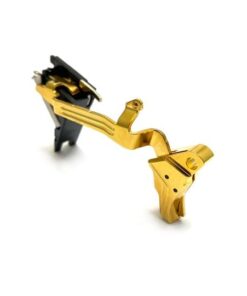
Fire Arms Triggers
$185.00
Sale!
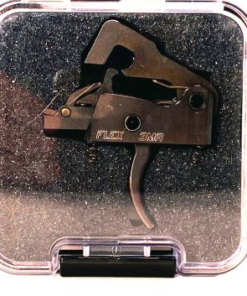
Fire Arms Triggers
Original price was: $330.00.$250.00Current price is: $250.00.
Sale!
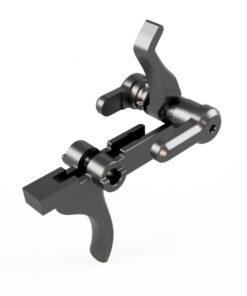
Fire Arms Triggers
Original price was: $260.00.$240.00Current price is: $240.00.
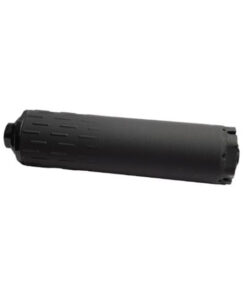
SILENCERS
$600.00
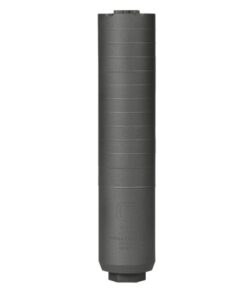
SILENCERS
$1,050.00
Sale!
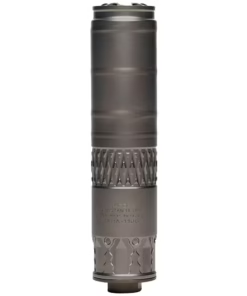
SILENCERS
Original price was: $1,560.00.$1,250.00Current price is: $1,250.00.
Sale!
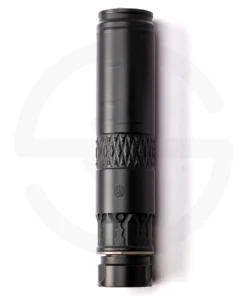
SILENCERS
Original price was: $980.00.$850.00Current price is: $850.00.
Best Selling Products
Sale!

Franklin Armory Binary Trigger
FRNKLN BFSIII 22-EZ Rug 1022 Binary Trigger: Enhanced Performance
Original price was: $350.00.$250.00Current price is: $250.00.
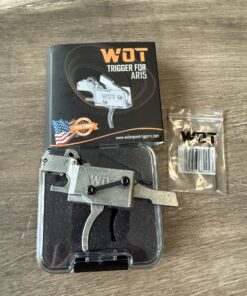
Fire Arms Triggers
Price range: $200.00 through $250.00
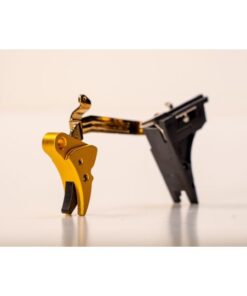
Fire Arms Triggers
$200.00
Sale!
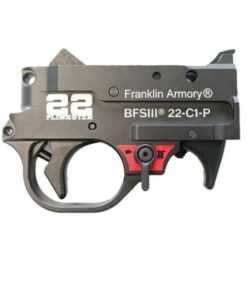
Franklin Armory Binary Trigger
Original price was: $470.00.$350.00Current price is: $350.00.
Sale!
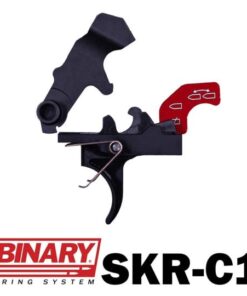
Franklin Armory Binary Trigger
Franklin Armory BFSIII SKR C1 Binary Trigger for SCAR Rifles
Original price was: $450.00.$350.00Current price is: $350.00.
Sale!
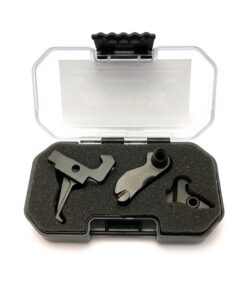
Fire Arms Triggers
Original price was: $260.00.$200.00Current price is: $200.00.
Fire Arms Triggers
$185.00
Sale!

Fire Arms Triggers
Original price was: $320.00.$200.00Current price is: $200.00.
Browse our categories

Free Shipping on all orders
Get Free Shipping on all orders over $75 and free returns to our warehouse returns centre! Items are dispatched from the US and will arrive in 2-3 days.
Amazing customer service
Get Free Shipping on all orders over $75 and free returns to our warehouse returns centre! Items are dispatched from the US and will arrive in 2-3 days.
No Customs or Duty Fees!
We pay these fees so you don’t have to! The total billed at checkout is the final amount you pay, inclusive of VAT, with no additional charges at the time of delivery!
Latest News
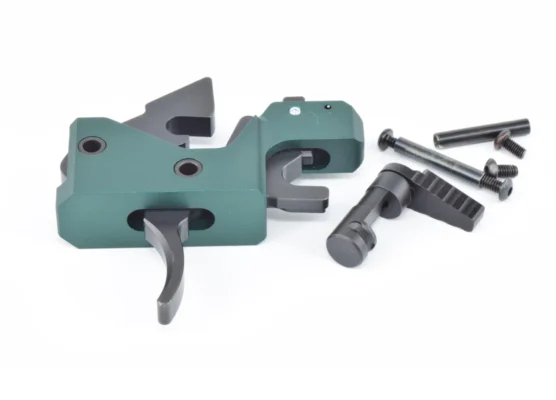
Wide Open Trigger
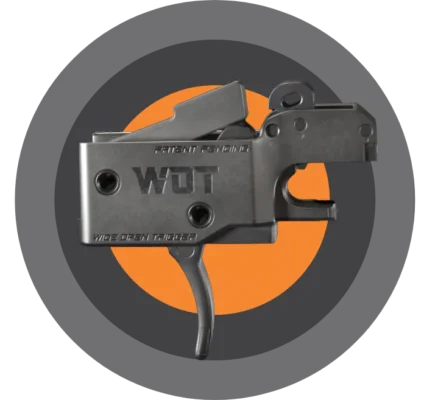
What Is a Wide Open Trigger?
If you spend any time around the competitive shooting community or follow firearm upgrade trends closely, you have likely come across the term “wide open trigger.” It sounds bold — and it is. A wide open trigger represents a category of trigger systems and tuning philosophies designed to give shooters the fastest, lightest, and most responsive trigger experience possible on their semi-automatic firearm.
The phrase “wide open” is not always tied to a single brand or product. In the shooting world, it is used in two main ways:
First, it describes a trigger that has been tuned or modified to remove as much resistance, slack, and over-travel as possible — essentially opening up the trigger’s performance to its full potential. Think of it like opening a throttle all the way. A wide open trigger is dialed in, crisp, and fast.
Second, “Wide Open Trigger” is also a term associated with specific trigger products and brands in the market — including the widely discussed WOT (Wide Open Trigger) system, which became one of the more talked-about trigger innovations in recent years for its unique mechanical design.
Whether you are a competitive shooter looking to shave milliseconds off your splits, a gun shop owner wanting to understand what customers are asking about, or simply a curious enthusiast who wants to know what all the fuss is about — this guide covers everything you need to know about the wide open trigger.
We will walk through how these triggers work, the legal landscape surrounding them, how to find them, what to look for when buying, and much more.
1: Understanding Trigger Mechanics — The Foundation
Before diving into what makes a wide open trigger special, it helps to understand how a standard semi-automatic trigger works. Once you know the baseline, the innovations become a lot clearer.
How a Standard Semi-Automatic Trigger Works
A standard semi-automatic trigger operates through a relatively simple sequence of mechanical events:
- Pre-travel (take-up): You begin pressing the trigger rearward. During this phase, you feel some movement before any resistance.
- Wall: You hit the point of significant resistance — the “wall.” This is where the sear is holding the hammer or striker in place.
- Break: You apply enough pressure to move past the wall. The sear releases, the hammer or striker falls, and the round fires.
- Over-travel: The trigger continues to move rearward slightly after the break. This is the distance the trigger travels after the shot fires.
- Reset: You release the trigger forward. At some point during this forward movement, the sear re-engages. This is the reset point — the minimum distance the trigger must travel forward before it is ready to fire again.
Each of these five phases matters enormously for shooting speed and accuracy. A trigger with long pre-travel, a mushy wall, significant over-travel, and a long reset will feel sluggish. A trigger that has been refined — with short pre-travel, a crisp wall, minimal over-travel, and a short reset — will feel fast and precise.
What Makes a Wide Open Trigger Different?
A wide open trigger philosophy pushes each of these elements to its performance limit:
- Pre-travel is minimized — sometimes nearly eliminated
- The wall is sharp and distinct — so the shooter always knows exactly where the break is
- Over-travel is reduced as much as mechanically possible
- Reset is short and tactile — giving the shooter a clear signal that the trigger is ready to fire again
In addition to these refinements, some wide open trigger designs introduce entirely new mechanical concepts — such as forced reset mechanisms, binary-style release firing, or unique sear geometries — to achieve firing speeds that feel dramatically different from any factory trigger.
2: The WOT — Wide Open Trigger System Explained
The term “Wide Open Trigger” gained significant attention in the firearm community with the introduction of trigger products that specifically marketed themselves around this concept. One of the most notable is a drop-in trigger group that operates on a forced reset or accelerated reset principle.
How the WOT Mechanism Works
The Wide Open Trigger system works differently from a standard trigger in a fundamental way. Here is the simplified explanation:
In a standard trigger, the reset happens because you physically release the trigger forward, and the return spring pushes the trigger back to its forward position where the sear can re-engage.
In a WOT-style design, the reset is mechanically driven by the bolt carrier group (BCG) itself. As the BCG moves rearward and then forward during the firing cycle, it interacts with the trigger mechanism in a way that physically forces the trigger to reset — without the shooter needing to release it.
The practical result of this is significant: the trigger resets extremely quickly, driven by the firearm’s own cycling action rather than by the shooter consciously releasing the trigger. Experienced shooters using a WOT-style trigger can achieve firing rates that approach — and in some cases match — what most people associate with fully automatic fire, while technically maintaining semi-automatic operation (one round per trigger pull).
Why the WOT Attracted So Much Attention
The Wide Open Trigger became a major topic of discussion in the firearms community for two reasons: performance and legality.
On the performance side, shooters who tried WOT-style triggers were genuinely amazed. The speed was unlike anything achievable with a standard trigger — even a very well-tuned one. Videos of shooters running WOT-equipped rifles spread quickly across YouTube and firearms forums, generating enormous interest.
On the legal side, the WOT attracted scrutiny because of how fast it allows a firearm to fire. The question of whether a device that dramatically accelerates the firing rate of a semi-automatic firearm crosses the legal line into machine gun territory is not a simple one — and the ATF took notice.
The Legal Battle Surrounding WOT-Style Triggers
The Wide Open Trigger and similar products became caught up in one of the more significant ongoing legal debates in the firearms world. The ATF’s position has been that some forced reset trigger designs may constitute machine gun parts under the National Firearms Act (NFA) — specifically under the definition of a “machine gun” as any part designed and intended solely and exclusively for use in converting a weapon to fire automatically.
Manufacturers and legal advocates have pushed back on this classification, arguing that WOT-style triggers still require a deliberate trigger pull for each round fired and therefore do not meet the legal definition of a machine gun.
This legal battle has gone through multiple rounds of litigation, with outcomes varying by court. The result is an uncertain legal landscape that every buyer and dealer must navigate carefully.
3: Types of Wide Open Triggers Available
Not every product called a “wide open trigger” operates on the same principle. Here is a breakdown of the main categories.
1. Forced Reset Triggers (FRT)
These are the triggers most directly associated with the “Wide Open Trigger” concept. They use the forward motion of the bolt carrier group to physically push the trigger into the reset position, dramatically shortening the reset and allowing very high firing speeds. RARE Breed’s FRT-15 was the product that originally brought this category into the spotlight.
Legal status: Heavily contested and subject to ATF enforcement actions. Do not purchase without verifying current legal status.
2. Binary Triggers
While not always called “wide open” triggers, binary triggers overlap significantly with this conversation. A binary trigger fires on both the pull and the release of the trigger, effectively doubling the rounds fired per trigger cycle compared to a standard semi-automatic trigger.
Brands like Franklin Armory (BFSIII) and Fostech (Origin-15) are the market leaders here. Binary triggers are more clearly defined legally than FRT-style triggers, but are still banned in several states.
Legal status: Legal federally, banned in several states.
3. Competition-Tuned Drop-In Triggers
These are high-quality, standard semi-automatic triggers that have been engineered to the highest performance standards — minimal pre-travel, a glass-crisp break, very short over-travel, and a short, positive reset. Brands like Geissele, CMC Triggers, Timney, LaRue Tactical, and Elftmann Tactical excel here.
These triggers will not give you the firing speed of a WOT or binary trigger, but they offer the best possible performance within the standard semi-automatic operating envelope — and with zero legal controversy.
Legal status: Fully legal in virtually all jurisdictions.
4. Adjustable Triggers
Some premium triggers allow the shooter to adjust pre-travel, over-travel, and reset length to suit their preferences. This “wide open” approach — in the sense of fully customizable performance — appeals to precision shooters and competitors who want a trigger tuned exactly to their preferences.
Brands like Timney and TriggerTech offer excellent adjustable options.
Legal status: Fully legal.
5. Trigger Jobs (Gunsmith Polishing and Tuning)
Sometimes “going wide open” on a trigger means having a skilled gunsmith polish the contact surfaces, replace springs, and tune the existing trigger mechanism to its performance limits. A good trigger job on a quality factory trigger can produce results that rival aftermarket drop-in triggers at a lower cost.
4: Who Needs a Wide Open Trigger?
Understanding who benefits most from a wide open trigger helps both buyers and dealers make smarter decisions.
Competitive 3-Gun Shooters
3-gun competition involves shooting three types of firearms — rifle, pistol, and shotgun — in dynamic stages that reward both speed and accuracy. For rifle stages, a fast, light, precise trigger is enormously valuable. Many top 3-gun competitors run heavily tuned triggers or competition drop-ins specifically for this reason.
A wide open trigger (in the tuned competition sense) is essentially a requirement at the top levels of 3-gun shooting.
USPSA and IPSC Competitors
Similar to 3-gun, USPSA (United States Practical Shooting Association) and IPSC (International Practical Shooting Confederation) competitions reward speed and accuracy together. A refined trigger that allows faster splits — the time between shots — is a genuine competitive advantage.
Tactical and Law Enforcement Training
Some law enforcement and military trainers advocate for the use of high-performance triggers during training to help officers develop better trigger control habits. A trigger with a clear wall and short reset teaches better fundamentals than a mushy, unpredictable factory trigger.
Recreational Range Shooters
For many shooters, a wide open trigger is simply about enjoyment. A crisp, light, fast trigger makes shooting more fun and more satisfying. Range day with a well-tuned trigger is simply a better experience than fighting a heavy, spongy factory pull.
Home Defenders
This is where the conversation gets more nuanced. Some firearms trainers caution against extremely light triggers in home defense firearms, noting that the risk of an unintentional discharge under stress can increase with very short, light triggers. For defensive use, a trigger that is good — crisp, predictable, not overly heavy — is preferable to one tuned to the absolute performance limits.
5: Key Features to Look for in a Wide Open Trigger
Whether you are shopping for yourself or advising customers, these are the features that matter most.
Pull Weight
Pull weight is measured in pounds (or ounces for very light triggers). Factory AR-15 triggers typically have pull weights between 6 and 9 pounds. Competition and performance triggers often come in at 3 to 4.5 pounds. Some ultra-light triggers can go as low as 1.5 to 2 pounds.
For most shooters, a pull weight of 3 to 4.5 pounds strikes the best balance between speed and safety. Very light triggers (under 2 pounds) can be dangerous for general use and are typically reserved for precision rifle applications where the shooter is always deliberate about trigger contact.
Reset Length and Feel
A short, tactile reset is one of the most important features of a wide open trigger. The reset should be audible and tactile — you should feel or hear a distinct “click” when the trigger resets, signaling that it is ready to fire again. A long, mushy reset slows you down and makes accurate follow-up shots harder.
Pre-Travel (Take-Up)
Minimal pre-travel means the trigger is almost immediately at the wall when you begin pressing it. This is especially valuable for competition shooting where speed matters. For defensive use, a small amount of pre-travel can be a safety feature.
Over-Travel
Over-travel that is too long can throw off your aim as the trigger continues moving after the shot breaks. Look for triggers with minimal, controlled over-travel — ideally adjustable so you can set it to your preference.
Trigger Shoe Shape and Size
The physical shape of the trigger shoe — the curved or straight part your finger contacts — matters for comfort and control. Straight triggers are popular with competition shooters for their consistent pull geometry. Curved triggers are standard and feel natural to most shooters. Some wide open trigger systems feature wider, flatter shoes that give more contact surface for a more controlled pull.
Material and Build Quality
Quality wide open triggers are typically machined from tool steel or aircraft-grade aluminum. Look for:
- Precision machined components
- Smooth, polished contact surfaces
- Quality springs (preferably replaceable)
- A finish that resists corrosion
Cheap triggers with cast or MIM (metal injection molded) components can be unreliable and wear out quickly under heavy use.
Drop-In Compatibility
For AR-15 platform triggers, “drop-in” designs come pre-assembled in a self-contained housing that fits directly into the lower receiver without the need to juggle individual components and pins. These are much easier to install and are preferred by most shooters who do not want to disassemble a standard trigger group.
6: Top Brands in the Wide Open Trigger Space
Here is an overview of the brands most associated with high-performance, wide open trigger systems.
Geissele Automatics
Geissele is widely regarded as the gold standard for AR-15 combat and competition triggers. Their SSA (Super Semi-Automatic), SSA-E (Enhanced), and SD-E triggers are used by military units, law enforcement, and top competitors worldwide. Geissele triggers are not cheap, but they represent the highest quality in standard semi-automatic performance triggers.
Best for: Combat, competition, duty use
CMC Triggers
CMC (Chip McCormick) produces popular drop-in trigger groups for AR-15 platforms at a competitive price point. Their flat-faced and curved designs give shooters options, and pull weights range from 2.5 to 3.5 pounds depending on the model.
Best for: Budget-conscious shooters wanting a significant upgrade
Timney Triggers
Timney has been making performance triggers since 1946 and brings decades of precision to the AR-15 and bolt-action rifle world. Their AR-15 Calvin Elite and Competition triggers offer adjustable pull weights and excellent quality.
Best for: Precision shooters and competitors wanting adjustability
LaRue Tactical
LaRue’s MBT-2S (Meticulously Built Trigger) offers outstanding performance at a very accessible price. Many experienced shooters consider it one of the best value triggers on the market.
Best for: Shooters who want excellent performance without paying a premium price
Elftmann Tactical
Elftmann produces fully adjustable drop-in triggers for AR platforms. Their triggers allow adjustment of pull weight, over-travel, and reset — making them genuinely “wide open” in the customization sense.
Best for: Shooters who want maximum adjustability
Franklin Armory (Binary)
For shooters specifically looking for wide open, high-speed trigger systems that fire on both pull and release, Franklin Armory’s BFSIII is the most reputable and widely available option. It offers the closest legal alternative to the WOT-style firing experience.
Best for: Shooters in legal states who want maximum firing speed
TriggerTech
TriggerTech uses a patented frictionless release technology called Rotating Cam Technology that produces an extremely clean, predictable break. Their AR triggers are excellent and available in multiple configurations.
Best for: Precision and competition shooters wanting a frictionless break
7: Installing a Wide Open Trigger — What You Need to Know
Drop-In vs. Standard Installation
As mentioned earlier, drop-in triggers are far simpler to install. The entire trigger assembly — trigger, hammer, disconnector, and springs — comes pre-assembled in a housing that drops into the lower receiver. You simply remove the old components, drop in the new housing, and reinsert the trigger and hammer pins.
Standard (non-drop-in) triggers require you to install each component individually, manage small springs, and ensure proper alignment. While this is not beyond the capability of a careful, patient shooter with the right tools, it is more involved and has more opportunity for error.
Tools You Will Need
For most AR-15 trigger installations:
- Punch set (roll pin punches and solid punches)
- Polymer/rubber mallet
- Bench block or lower receiver vise block
- Needle-nose pliers (for springs on standard triggers)
- Torque wrench (for any screws on drop-in housings)
- Blue Loctite (for drop-in housing screws)
- Clean work surface
Step-by-Step Overview for Drop-In Trigger Installation
- Clear and verify the firearm is unloaded. Remove the magazine, lock the bolt to the rear, and visually and physically inspect the chamber.
- Separate the upper and lower receivers by pushing out the two takedown pins.
- Remove the existing trigger group. Use a punch to push out the trigger pin and hammer pin, then remove the trigger, disconnector, hammer, and springs carefully.
- Insert the drop-in trigger housing into the lower receiver, aligning the pin holes.
- Reinsert the trigger and hammer pins through the lower receiver and the drop-in housing.
- Perform a function check: With the safety engaged, pull the trigger (nothing should happen). Engage the hammer with your thumb and click the safety to fire. Pull the trigger — the hammer should fall. Hold the trigger rearward, charge the action (rack the bolt carrier), and slowly release the trigger. You should feel and hear the reset click. Pull the trigger again — the hammer should fall.
- Verify all screws on the housing are torqued to spec and secured with blue Loctite if required by the manufacturer.
If the function check fails at any point, do not use the firearm. Disassemble and re-examine the installation, or take it to a qualified gunsmith.
When to Use a Gunsmith
Consider having a gunsmith install your trigger if:
- You are not comfortable working on your firearm’s action
- You are installing a standard (non-drop-in) trigger
- The installation requires fitting or modifications
- You are installing a binary or WOT-style trigger that has more complex installation requirements
A professional installation typically costs between $50 and $150 depending on your location and the complexity of the job — well worth it for peace of mind and proper function.
Wide Open Trigger Legal Landscape
We touched on legality earlier, but this topic deserves its own chapter given how important it is.
The NFA Definition of a Machine Gun
Under the National Firearms Act (NFA) and 26 U.S.C. § 5845(b), a machine gun is defined as any firearm that fires more than one shot by a single function of the trigger, as well as any part designed and intended to convert a semi-automatic firearm into a machine gun.
The key phrase here is “single function of the trigger.” Standard binary and forced reset triggers have been argued — by their manufacturers and advocates — to require a separate trigger function for each round fired. The pull is one function. The release (for binary) or the reset-driven pull (for WOT-style) is another.
The ATF and some courts have disagreed with this interpretation for certain products.
The Bump Stock Precedent
In 2019, the ATF finalized a rule banning bump stocks — devices that use the recoil of a semi-automatic rifle to rapidly pull the trigger. The agency reclassified bump stocks as machine guns, and the ban was ultimately upheld by the Supreme Court.
This precedent created concern in the binary and wide open trigger community that similar logic could be applied to other rate-enhancing devices. While binary triggers have so far survived this scrutiny (the trigger still requires deliberate function for each shot), WOT-style forced reset triggers have faced more direct ATF enforcement.
ATF Actions Against Forced Reset Triggers
The ATF sent letters to owners of certain forced reset trigger devices (notably the RARE Breed FRT-15) classifying them as machine guns and demanding surrender of the devices. Legal battles followed, with some courts siding with the ATF and others with the manufacturers and owners.
As of the time of this writing, the legal status of WOT-style forced reset triggers remains unsettled in some jurisdictions. This is exactly why you must verify current legal status before any purchase or sale.
State-Level Bans
Beyond federal law, individual states add another layer of complexity. States with strict assault weapons laws or enhanced rate-of-fire regulations may effectively ban wide open triggers, binary triggers, or any device perceived as enhancing the rate of fire of a semi-automatic firearm.
States to research carefully include California, New York, New Jersey, Hawaii, Maryland, and Washington.
Best Practices for Legal Compliance
- Never assume. Don’t assume a product is legal because you saw it at a gun show or read positive reviews online. Always verify with current ATF guidance and your state’s laws.
- Consult an attorney. A firearms law attorney can give you advice specific to your jurisdiction. This is especially important for dealers.
- Stay connected to industry organizations. NSSF, GOA, and NRA-ILA publish updates on regulatory changes that affect products like wide open triggers.
- Document everything. If you purchase a wide open trigger product when it is legal and it later becomes regulated, having documentation of your legal purchase matters.
9: How to Choose the Right Wide Open Trigger for Your Needs
With so many options in the market, here is a framework for choosing the right trigger.
1: Define Your Purpose
Are you buying this trigger for:
- Competition shooting? Prioritize pull weight, reset, and reliability under high round counts.
- Recreational range use? Almost any quality trigger will serve you well. Focus on feel and value.
- Home defense? Prioritize reliability and a pull weight that is light enough for speed but not so light it creates safety risks (typically 4-5 lbs).
- Precision/long range shooting? Prioritize a clean break and adjustability over speed.
2: Know Your Platform
Wide open trigger options vary significantly by firearm platform. Make sure the trigger you are considering is specifically designed and tested for your firearm. AR-15, AR-10, AK-pattern, and pistol-caliber carbines all have different trigger group designs and compatibility requirements.
3: Set Your Budget
Quality triggers range from under $100 (CMC, LaRue MBT-2S) to over $400 (Geissele Hi-Speed National Match, Elftmann Match). A higher price does not always mean better performance for your specific application — a $150 trigger tuned correctly for your needs may outperform a $350 trigger designed for a different purpose.
4: Research Reviews and Reliability Data
Before buying, look for:
- Reviews from shooters who use their firearm for the same purpose as you
- Long-term reliability data — how does the trigger perform after 10,000 rounds?
- Known failure modes or common complaints
- Manufacturer customer service reputation
Communities like AR15.com, Reddit’s r/ar15 and r/guns, and YouTube channels dedicated to firearms reviews are good sources.
5: Consider Warranty and Support
A quality trigger from a reputable manufacturer will come with a solid warranty. Geissele, Timney, TriggerTech, and similar brands all stand behind their products. Be cautious of no-name triggers with no warranty support — if a spring breaks or a component fails after 500 rounds, you want to know the manufacturer will make it right.
Wide Open Triggers for Gun Shop Owners and Dealers
If you are a firearms retailer, wide open triggers represent both an opportunity and a responsibility.
The Market Opportunity
Performance triggers are one of the highest-margin accessory categories in a gun shop. Customers who are serious about their firearms — competitors, enthusiasts, and collectors — are willing to spend $150 to $400+ on a quality trigger. A well-curated trigger display with knowledgeable staff can become a significant revenue stream.
What to Stock
Focus on triggers that balance performance, legal simplicity, and broad appeal:
- Geissele SSA-E — Top seller, trusted brand, excellent margins
- LaRue MBT-2S — Outstanding value, easy sell
- CMC Drop-In Triggers — Popular with budget-conscious upgraders
- Timney Calvin Elite — Appeals to precision shooters
- Franklin Armory BFSIII — For customers in legal states wanting binary capability
Staff Training
Your staff should be able to:
- Explain the difference between pull, break, reset, and over-travel in plain language
- Describe the difference between standard, binary, and WOT-style triggers
- Know which products are legal in your state
- Recommend the right trigger for a customer’s stated purpose
A 30-minute training session covering these basics pays for itself many times over in improved sales conversions.
Legal Responsibility
As a dealer, you have a responsibility to:
- Not sell products that are banned in your state
- Advise customers of any known legal restrictions on products they are purchasing
- Keep proper purchase and sales records
- Stay current on ATF guidance affecting the products you carry
Do not rely on the customer to know the law. If you sell someone a wide open trigger product that is illegal in their state or has been reclassified by the ATF, the consequences can extend to your dealership.
Sourcing Wide Open Triggers
Work with established, licensed distributors who carry authorized products from reputable manufacturers. For binary triggers, Franklin Armory and Fostech both have authorized dealer programs. Therefor, for standard performance triggers, virtually every major firearms distributor — including Sports South, Jerry’s, Zanders, and Lipsey’s — carries major trigger brands.
With WOT-style forced reset triggers, the distribution landscape is complicated by legal uncertainty. Most major distributors have pulled these products from their catalogs pending legal clarity.
Wide Open Trigger Maintenance and Care
A quality trigger is an investment. Proper maintenance will keep it performing at its best for the life of the firearm.
Cleaning
Triggers accumulate carbon fouling, dirt, and unburned powder residue over time — especially in the sear and disconnector contact areas. Use a quality solvent and a soft brush to clean these areas. Be careful not to use lubricants on contact surfaces that are meant to be dry, as some triggers are designed to run without lubricant on the sear.
Always follow the manufacturer’s cleaning and maintenance recommendations.
Lubrication
Light lubrication is appropriate on pivot points — the trigger and hammer pins, and areas where the trigger housing contacts the receiver. Do not over-lubricate. Excess oil attracts dirt and can cause fouling buildup that affects trigger function.
Spring Replacement
Trigger springs wear over time, especially with very high round counts. If you notice changes in pull weight, feel, or reliability, inspect the springs first. Most quality trigger manufacturers offer replacement spring kits. Replace springs proactively — do not wait for a failure during a match or, worse, a defensive situation.
Regular Function Checks
Any time you perform maintenance, clean your firearm, or reinstall a trigger after disassembly, run a complete function check (as described in Chapter 7) before using the firearm. A trigger that passes a function check is properly installed and safe to use.
Frequently Asked Questions About Wide Open Triggers
Q: What exactly is a wide open trigger? A: A wide open trigger refers to any trigger system engineered for maximum speed and minimum resistance — including forced reset triggers (FRT), binary triggers, and competition-tuned semi-automatic triggers. The goal is the fastest, lightest, most responsive trigger possible.
Q: Is the Wide Open Trigger legal to own? A: It depends on the specific product and your location. Standard competition triggers are legal everywhere. Binary triggers are legal federally but banned in some states. Forced reset triggers (WOT/FRT-style) are subject to ongoing ATF enforcement and legal battles. Always verify current legal status before purchasing.
Q: How fast can you shoot with a wide open trigger? A: With a well-tuned competition trigger and good technique, skilled shooters can achieve splits of 0.10 to 0.15 seconds between shots. With binary or WOT-style triggers, sustained firing rates approaching 400 to 800 rounds per minute have been demonstrated — though practical accuracy at those speeds is minimal.
Q: Can a wide open trigger be used on a pistol? A: Some wide open trigger concepts apply to pistols, but the market is primarily AR-15 and AK-pattern rifle focused. For pistols, competition triggers from brands like Apex Tactical (for M&P and Glock) offer performance improvements without entering the WOT-style territory.
Q: What is the best wide open trigger for an AR-15? A: For legal, universally available performance, Geissele triggers are considered the industry benchmark. For maximum speed with binary capability (in legal states), the Franklin Armory BFSIII is the top choice. For value, the LaRue MBT-2S is hard to beat.
Q: Do I need a gunsmith to install a wide open trigger? A: Drop-in style triggers can be installed by most mechanically inclined shooters with basic tools. Standard (non-drop-in) triggers and binary/WOT triggers may benefit from professional installation. When in doubt, use a gunsmith.
Q: Will a wide open trigger void my firearm’s warranty? A: In most cases, yes — installing an aftermarket trigger will void the manufacturer’s warranty on your firearm. However, this is a common and accepted trade-off in the performance shooting community. The aftermarket trigger itself will carry its own warranty from its manufacturer.
Q: What is the difference between a wide open trigger and a binary trigger? A: A binary trigger fires on both the pull and the release of the trigger. A “wide open” trigger, in its broader sense, refers to any trigger tuned to maximum performance — which may or may not include binary firing. All binary triggers are wide open in spirit, but not all wide open triggers are binary
Conclusion: The Wide Open Trigger and the Future of Trigger Technology
The wide open trigger concept — whether expressed through a meticulously tuned competition trigger, a binary firing system, or a forced reset mechanism — reflects the relentless desire of the shooting community to push the performance envelope of their firearms.
But wide open triggers also come with responsibilities — particularly in understanding and respecting the legal landscape. The line between a legal performance upgrade and a federally regulated device has been blurry in this space, and it continues to be contested in courtrooms across the country.
The smartest approach is to stay informed, buy from reputable sources, consult professionals when in doubt, and always prioritize safety — because no performance upgrade is worth compromising the fundamentals of safe and responsible firearm ownership.
Whether you are looking to shave hundredths of a second off your competition splits, upgrade your range rifle, or understand what your customers are asking for, the wide open trigger world has something to offer. Go wide open — but go smart.