
Uncategorized
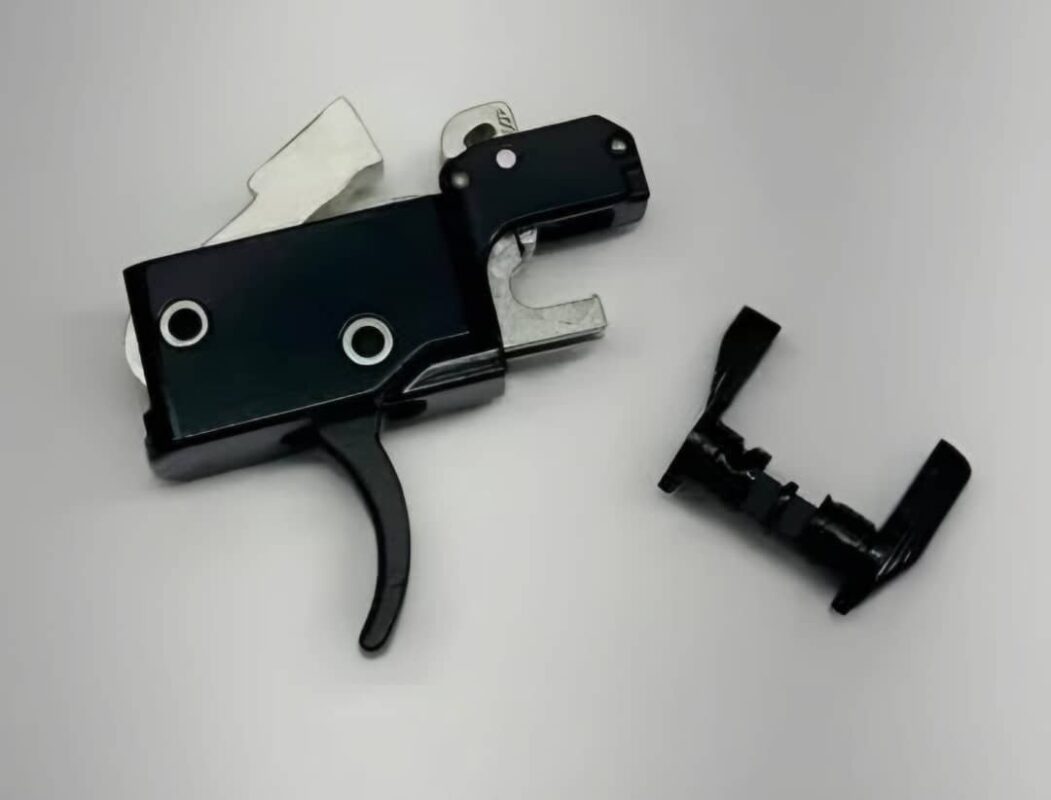
Forced Reset Trigger AR15
Dec
What is a Forced Reset Trigger (FRT) for AR15?
A Forced Reset Trigger (FRT) is a special type of trigger designed for AR15 rifles. Unlike standard triggers, an FRT allows the shooter to fire faster by forcing the trigger to reset automatically after each shot. This lets you pull the trigger again quickly without fully releasing it, giving a smoother and faster shooting experience.
How Does a Forced Reset Trigger (FRT) AR‑15 Work?
A Forced Reset Trigger (FRT) is a mechanical trigger system designed for AR‑15 style firearms. Its main purpose is to reset the trigger automatically after each shot, while still operating as a semi‑automatic system.
1. One Shot Per Trigger Pull
An FRT works the same basic way as a standard AR‑15 trigger:
- One shot is fired for each pull of the trigger.
- It does not fire multiple shots with a single pull.
2. Automatic Trigger Reset
After a shot is fired, the internal mechanism pushes the trigger forward into the reset position.
This reset happens quickly and consistently.
3. Firm Reset Feel
The forced reset creates a strong and noticeable reset point.
Many users describe this as a more defined reset compared to a standard trigger.
4. Mechanical Operation
An FRT operates using mechanical movement only.
It does not use electronics, batteries, or software.
5. Consistent Trigger Cycle
Because the trigger resets the same way after each shot, the trigger pull and reset can feel more predictable during repeated use.
6. Designed for AR‑15 Platforms
Forced Reset Triggers are designed specifically to function within AR‑15 style firearms, making them a common topic in AR‑15 trigger system discussions.
Benefits of Installing a Forced Reset Trigger on Your AR‑15
A Forced Reset Trigger (FRT) is a mechanical trigger system designed for AR‑15 style firearms. Many people research FRTs to understand how they differ from standard triggers and what advantages they may offer.
1. Consistent Trigger Reset
An FRT is designed to reset the trigger automatically after each shot, creating a predictable and consistent reset every time.
2. Firm and Noticeable Reset Feel
The forced reset provides a clear reset point. Many users prefer this defined feel compared to traditional triggers.
3. Mechanical Reliability
FRT triggers operate using mechanical movement only, without electronics or software, which supports dependable function when properly maintained.
4. Improved Trigger Consistency
Because the trigger resets the same way after each shot, the overall trigger cycle can feel more uniform during repeated firing.
5. Designed Specifically for AR‑15 Platforms
Forced Reset Triggers are built for AR‑15 style firearms, making them compatible with this platform’s trigger system design.
6. Durable Construction
Most FRT triggers are made from strong materials designed to handle repeated use over time with proper care.
7. Supports Familiarity and Control
A predictable trigger reset can help users better understand timing and trigger behavior during lawful, responsible use.
Why These Benefits Matter
Understanding the benefits of a Forced Reset Trigger (FRT) helps users make informed decisions and promotes safe, responsible ownership.
1. Supports Safe Operation
Knowing how the trigger functions and its benefits helps users recognize normal behavior and identify potential issues early.
2. Improves Consistency
Features like a firm and predictable reset ensure a more uniform trigger cycle, supporting better control and reliability.
3. Enhances Reliability
Durable construction and mechanical design make the trigger dependable when properly maintained.
4. Encourages Proper Maintenance
Understanding the benefits emphasizes the importance of regular cleaning, inspection, and care.
5. Builds User Confidence
Knowledge of how the trigger works and its advantages helps users feel more informed and confident when researching or comparing trigger systems.
6. Assists With Comparison
Clear understanding of the benefits allows users to compare FRT triggers with standard triggers and other options effectively.
How to Install a Forced Reset Trigger (FRT) on an AR‑15
A Forced Reset Trigger (FRT) is designed to replace a standard trigger within an AR‑15 style firearm. Installation involves fitting the FRT into the trigger group area so it functions as intended. This section explains the process at a general, educational level.
1. Designed for AR‑15 Trigger Groups
FRT triggers are engineered to fit within the standard AR‑15 lower receiver, using existing trigger group locations.
2. Replaces the Factory Trigger
An FRT is installed in place of the original trigger system, allowing the forced reset mechanism to function within the AR‑15 platform.
3. Precision Matters
Because an FRT relies on exact mechanical timing, correct alignment and positioning are essential for proper operation.
4. Manufacturer Instructions Are Important
Each FRT model may have specific requirements. Official manufacturer documentation provides critical safety and compatibility information.
5. Professional Installation Recommended
Many firearm owners choose a licensed gunsmith to install an FRT to ensure proper fit, safe function, and compliance.
6. Post‑Installation Inspection
After installation, professional inspection helps confirm that the trigger resets correctly and operates safely.
Why Understanding Installation Matters
Understanding how a Forced Reset Trigger (FRT) is installed helps promote safety, reliability, and responsible ownership.
1. Supports Safe Operation
Knowing the basics of how the trigger fits into an AR‑15 helps users understand why proper setup is important for safe function.
2. Prevents Malfunctions
Correct installation ensures the trigger operates as intended and helps reduce the risk of mechanical issues.
3. Highlights the Importance of Precision
FRT triggers rely on precise mechanical alignment. Understanding this encourages careful handling and professional installation.
4. Encourages Professional Assistance
When users understand the complexity of installation, they are more likely to seek help from a qualified gunsmith.
5. Helps With Legal Compliance
Proper installation supports compliance with local, state, and federal firearm laws and regulations.
6. Builds User Confidence
Knowing how the installation process works at a high level helps users feel informed and confident when researching trigger options.
Maintenance Tips for Your Forced Reset Trigger
Proper maintenance helps keep your Forced Reset Trigger (FRT) reliable, consistent, and safe over time. Regular care also supports long‑term performance and durability.
1. Clean on a Regular Basis
Keeping the trigger area free from dirt, dust, and residue helps maintain smooth operation and prevents buildup that may affect performance.
2. Use Proper Lubrication
Light and appropriate lubrication helps reduce friction between moving parts. Avoid excess oil, which can attract debris.
3. Inspect for Wear
Regular inspection helps identify signs of wear such as looseness, rough movement, or unusual markings. Early detection helps prevent larger issues.
4. Check Trigger Feel
If the trigger begins to feel different or inconsistent, it may indicate that maintenance or inspection is needed.
5. Store in a Clean, Dry Place
Proper storage protects the trigger from moisture, dust, and corrosion when not in use.
6. Follow Manufacturer Guidance
Always follow the maintenance recommendations provided by the manufacturer for proper care and longevity.
7. Seek Professional Inspection
Periodic inspection by a qualified gunsmith can help ensure safe operation and reliable performance.
Why Regular Maintenance Matters
Regular maintenance of a Forced Reset Trigger (FRT) is important for safety, reliability, and long‑term performance.
1. Promotes Safe Operation
Keeping the trigger clean and well‑maintained helps ensure it works as intended and reduces the risk of malfunction.
2. Ensures Consistent Performance
Dirt, residue, or lack of lubrication can affect trigger feel. Regular maintenance helps keep the trigger response smooth and predictable.
3. Extends Trigger Lifespan
Routine care reduces wear on internal components, helping the trigger last longer over time.
4. Prevents Small Issues From Growing
Regular inspection helps identify minor wear or buildup early, before it turns into a larger problem.
5. Maintains Reliability
A clean and properly cared‑for trigger is more reliable during regular use.
6. Supports Responsible Ownership
Maintaining firearm components shows care, responsibility, and attention to safe handling practices.
How to Choose a Forced Reset Trigger (FRT)
Choosing a Forced Reset Trigger (FRT) starts with understanding general factors that people commonly review when comparing trigger systems. This overview helps readers make informed and responsible decisions.
1. Platform Compatibility
FRT triggers are designed for specific firearm platforms. Understanding compatibility helps ensure the trigger is intended for the correct platform.
2. Mechanical Design
An FRT uses a mechanical forced‑reset system. Many people compare designs to understand how the reset style differs from standard triggers.
3. Trigger Feel and Consistency
Some users focus on how consistent and noticeable the trigger reset feels. A predictable reset can support familiarity and control.
4. Build Quality
FRT triggers are typically made from durable materials. Build quality is often review to understand long‑term reliability.
5. Maintenance Requirements
Knowing how often a trigger system needs cleaning and inspection is important for ongoing care and reliability.
6. Manufacturer Information
Reviewing official manufacturer descriptions, specifications, and safety notices helps clarify design intent and proper care.
7. Legal Considerations
Laws regarding Forced Reset Triggers vary by location. Always review local, state, and federal regulations before making any decisions.
Forced Reset Trigger (FRT) – Frequently Asked Questions (FAQ)
This FAQ answers common questions people ask about Forced Reset Triggers (FRTs) to help improve understanding and awareness.
1. What is a Forced Reset Trigger (FRT)?
A Forced Reset Trigger is a mechanical trigger system designed for certain firearms. Its main feature is that it automatically resets the trigger after each shot.
2. How does a Forced Reset Trigger work?
After a shot is fire, the trigger is mechanically push forward into the reset position, allowing the next trigger pull to happen more quickly and consistently.
3. Is a Forced Reset Trigger semi‑automatic?
Yes. An FRT operates as a semi‑automatic system, meaning one shot is fire for each trigger pull.
4. Why do people research Forced Reset Triggers?
Many people research FRTs to understand different trigger designs, reset styles, and how they compare to standard triggers.
5. Are Forced Reset Triggers legal?
Laws vary by country, state, and local area. It is important to check and follow all applicable laws and regulations before owning or using an FRT.
6. Do Forced Reset Triggers require maintenance?
Yes. Like all mechanical components, FRTs benefit from regular cleaning, inspection, and proper care.
7. Are Forced Reset Triggers compatible with all firearms?
No. FRTs are design for specific platforms. Always review manufacturer information to understand compatibility.
8. Can trigger feel change over time?
Yes. Trigger feel may change due to wear, buildup, or lack of maintenance. Regular care helps maintain consistency.
9. Is professional inspection recommended?
Many owners choose professional inspection to help ensure safe and reliable operation.
10. Where can I learn more about Forced Reset Triggers?
Reliable sources include official manufacturer documentation, licensed firearm professionals, and trusted firearm safety resources.
Why These FAQs Matter
Understanding the frequently asked questions about a Forced Reset Trigger (FRT) is important because it helps users make informed and responsible decisions.
1. Promotes Safety Awareness
Knowing common questions and answers helps users recognize normal trigger behavior and identify potential issues.
2. Improves Knowledge of Operation
FAQs explain how an FRT functions, helping users understand differences between trigger types.
3. Supports Responsible Ownership
Being inform about maintenance, compatibility, and legal considerations encourages careful and responsible handling.
4. Helps With Comparison
Understanding common questions allows users to compare FRT triggers with standard or alternative triggers more effectively.
5. Builds User Confidence
Clear answers to common questions help users feel more informed and confident when researching, purchasing, or maintaining a trigger.
