Uncategorized
3 Position FRT For Sale
Jun
What is a 3 Position FRT?
A 3 Position FRT is different because it has a mechanical system that helps the trigger reset faster after each shot. This means the shooter does not need to manually release the trigger fully in the same way as a traditional trigger. Instead, the internal design “forces” the trigger to return forward quickly after each firing cycle, allowing it to be ready for the next shot sooner.
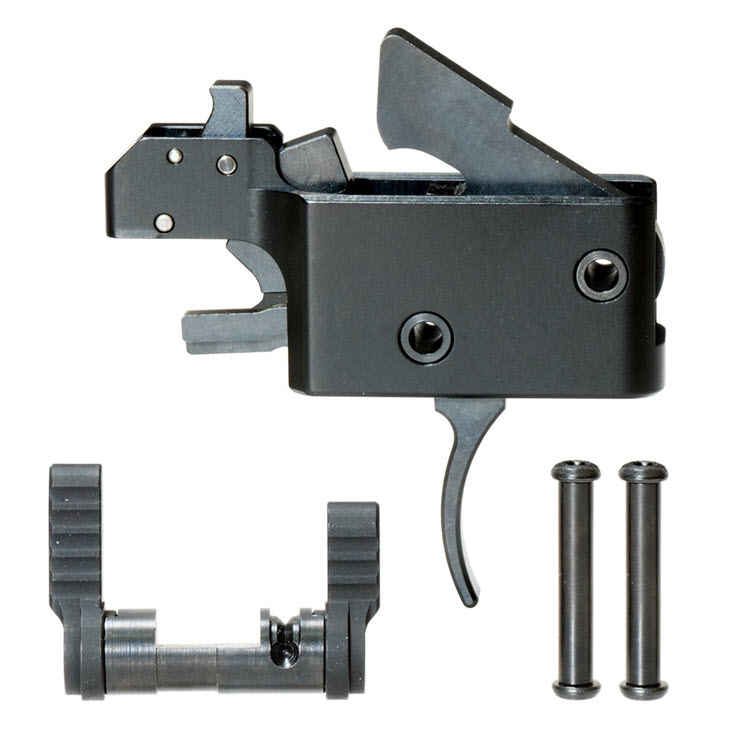
The “3 position” part refers to the fact that the trigger system usually has three selectable settings or modes. These positions can change how the trigger behaves. For example, one position may allow normal semi-automatic operation, another position may enable a forced reset function, and another may serve as a safety or a different mechanical configuration, depending on the specific design. The exact function of each position can vary depending on the manufacturer and model.
The main idea behind a 3 Position FRT is to give the user more control over trigger behavior while improving speed and responsiveness. Some users are interested in it because it can make follow-up shots feel faster and smoother compared to a traditional trigger system. It is designed with internal springs and mechanical parts that interact with the firearm’s cycling action to assist the reset process.
It is important to understand that 3 Position FRT systems are mechanical modifications and may be subject to strict laws and regulations in many countries or regions. In some places, certain trigger systems may be restricted or regulated, so legal compliance is very important before considering or using such systems.
History of 3 Position FRT
The history of the 3 Position FRT (Forced Reset Trigger) is closely connected to the development of modern firearm trigger systems, especially improvements made to semi-automatic triggers over time. To understand its history clearly, it helps to first look at how traditional triggers evolved.
In early firearms, triggers were very simple mechanical parts. When a shooter pulled the trigger, it released a firing mechanism, and after each shot, the trigger had to be fully released before it could fire again. This basic design was reliable, but it limited how fast a shooter could fire repeated shots in a controlled way.
As firearm technology improved during the 20th century, engineers began designing better trigger systems that were smoother, lighter, and faster to reset. The “reset” is the point where the trigger returns to its ready position after firing. A faster reset allows quicker follow-up shots, which became important for sporting, competition, and tactical use.
In the early 2000s and 2010s, more attention was given to trigger systems that could mechanically assist the reset process. This led to the development of what is commonly called forced reset technology. The idea behind it was to use the energy from the firearm’s cycling action to help push the trigger forward again, instead of relying only on the shooter’s finger to release it fully.
The concept of the Forced Reset Trigger (FRT) became more widely known in the late 2010s and early 2020s. During this time, several companies and designers explored ways to create triggers that could reset more quickly while still functioning within semi-automatic principles. These systems became controversial in some regions because they change how fast a semi-automatic firearm could be fire with continuous trigger input.
The idea of a “3 position” FRT comes from later design variations where manufacturers introduced different selectable modes within the trigger system. Instead of having only one behavior, some versions were design with multiple settings. These settings could allow different levels of trigger control, such as a normal safe mode, a standard semi-automatic mode, and a forced reset mode. The goal of adding multiple positions was to give users flexibility depending on how they wanted the trigger to perform.
However, it is important to note that designs label as “3 position FRT” are not standardize across the industry. Different manufacturers may use different mechanical designs, and the meaning of each position can vary. Because of this, the term is often use more as a general description rather than a single universal product type.
In recent years, forced reset trigger systems have also been part of legal discussions in several countries, especially regarding how they should be classified under firearm laws. This has made the topic more complex, with ongoing debates about regulation and safety.
How Does a 3 Position FRT Work?
A traditional semi-automatic trigger requires the shooter to pull the trigger, fire a round, and then release the trigger forward before pulling it again for the next shot.
A 3 Position FRT works differently. After a shot is fire, the firearm’s internal cycling action helps push the trigger forward to its reset position much faster than a standard trigger. This is call a force reset. The shooter still needs to activate the trigger for every shot, but the reset process happens more quickly.
Step-by-Step Process
1. Trigger Pull
The shooter pulls the trigger, releasing the hammer and firing a round.
2. Firearm Cycles
The bolt carrier group moves rearward due to the firearm’s normal operating cycle. During this movement, the spent cartridge is extracted and eject.
3. Forced Reset Occurs
As the bolt carrier group moves, the trigger mechanism is mechanically push forward. This forces the trigger into its reset position even if the shooter’s finger is still applying rearward pressure.
4. Trigger Ready Again
When the bolt returns forward and chambers a new round, the trigger is already reset and ready for the next shot.
5. Repeat
The shooter can pull the trigger again for another shot, allowing for very fast follow-up shots compared to a standard trigger.
details.
Features of a 3 Position FRT
A 3 Position FRT is design to provide multiple operating modes within a single trigger system. Below are some of the commonly discuss features.
1. Three Selector Positions
One of the main features is the three-position selector. These positions typically include:
- Safe Mode – Prevents the firearm from firing.
- Semi-Automatic Mode – Functions like a standard semi-automatic trigger.
- Forced Reset Mode – Uses a forced-reset mechanism to reset the trigger more quickly after each shot.
This setup allows users to switch between different operating modes.
2. Faster Trigger Reset
A key feature of a force reset trigger is its ability to reset the trigger quickly after a shot is fire. The firearm’s cycling action helps move the trigger back to its reset position, reducing the time between trigger resets.
3. Enhanced Shooting Speed
Because the trigger resets rapidly, shooters may experience faster follow-up shots compared to a standard trigger system. Each shot still requires a separate trigger activation.
4. Durable Construction
Many 3 Position FRT designs are manufacture using strong materials such as:
- Hardened steel
- Tool steel components
- Precision-machined parts
These materials are intend to provide durability and long service life.
5. Precision Engineering
Many force reset trigger systems are design with tight manufacturing tolerances. Precision-machine components can help provide:
- Consistent trigger operation
- Reliable reset function
- Smooth trigger movement
6. Compatibility with Certain Platforms
Some 3 Position FRT systems are design to work with specific firearm platforms. Compatibility may depend on:
- Firearm model
- Internal components
- Manufacturer specifications
Users should always verify compatibility before considering installation.
7. Improved Trigger Feel
Many shooters appreciate a trigger that offers:
- A crisp break
- A short reset
- Consistent performance
These characteristics can contribute to a more responsive shooting experience.
8. Easy Selector Control
The three-position selector is typically design to be easy to operate. This allows users to switch between available modes quickly and conveniently.
9. Modern Design
Many 3 Position FRT systems feature a modern design that focuses on performance, reliability, and efficient trigger operation.
10. Customization Options
Depending on the manufacturer, some models may include:
- Different finishes
- Enhanced selector designs
- Upgraded internal components
- Specialized trigger shoes
These options can allow users to choose a configuration that meets their preferences.
Benefits of a 3 Position FRT
A 3 Position FRT (Forced Reset Trigger) is a trigger system that is design to provide multiple operating modes and a faster trigger reset compare to a traditional trigger. Many firearm enthusiasts are interest in this type of trigger because of its unique design and performance characteristics. Below are some of the commonly discuss benefits of a 3 Position FRT.
1. Multiple Operating Modes
One of the biggest benefits of a 3 Position FRT is its versatility. The system typically offers three selector positions:
- Safe
- Semi-Automatic
- Forced Reset Mode
This allows users to choose the mode that best fits their needs and preferences.
2. Faster Trigger Reset
A major advantage of a force reset trigger is its rapid reset mechanism. After a shot is fired, the trigger is mechanically push forward to its reset position. This can reduce the time needed between trigger activations and create a smoother shooting experience.
3. Improved Shooting Efficiency
Because the trigger resets more quickly, shooters may be able to make follow-up shots faster than with a standard trigger. This can improve overall shooting efficiency during practice and recreational shooting activities.
4. Enhanced Trigger Responsiveness
Many users appreciate the responsive feel of a 3 Position FRT. The quick reset can make the trigger feel more active and ready for the next trigger pull, providing a more dynamic shooting experience.
5. Flexible Performance Options
With three selector positions available, users can easily switch between different trigger functions. This flexibility allows the firearm to be use in various situations while maintaining familiar controls.
6. Consistent Trigger Operation
Many 3 Position FRT systems are design with precision-machined components that help provide consistent trigger performance. Consistency can improve user confidence and overall shooting satisfaction.
7. Durable Construction
Most quality trigger systems are built from strong materials such as harden steel and other durable components. This construction is intend to withstand repeat use while maintaining reliable operation over time.
8. Modern Engineering
A 3 Position FRT often incorporates modern manufacturing techniques and engineering principles. These design features can contribute to smooth operation, reliable function, and long-lasting performance.
9. Customization Potential
Some models may offer customization options, including:
- Different finishes
- Enhanced trigger shoes
- Specialized selector designs
- Additional performance features
This allows users to select a configuration that matches their personal preferences.
10. Unique User Experience
Many firearm enthusiasts enjoy trying different trigger systems. The combination of multiple modes and a rapid reset mechanism provides a unique shooting experience that differs from a standard trigger setup.
Things to Consider Before Looking for a 3 Position FRT
1. Check State and Local Laws
One of the most important steps is understanding the laws in your state and local area. Some states have restrictions on forced reset triggers or other rapid-fire accessories, even when federal rules may differ.
2. Verify Firearm Compatibility
Not every trigger system is compatible with every firearm platform. Before considering any aftermarket trigger, users should review manufacturer specifications and compatibility requirements.
3. Research the Manufacturer
When researching firearm accessories, it is important to learn about the manufacturer’s reputation, product history, warranty support, and customer service.
4. Focus on Safety
Any modification to a firearm should be approach carefully. Users should follow manufacturer recommendations and consider professional inspection when appropriate.
