Binary Trigger for AR15
A binary trigger for AR15 rifles has become a popular upgrade among firearm enthusiasts looking to enhance trigger responsiveness while remaining within legal semi-automatic classifications in many jurisdictions. This guide explains what a binary trigger is, how it works, its benefits and drawbacks, legal considerations, and what to look for before purchasing.
What Is a Binary Trigger for AR15?
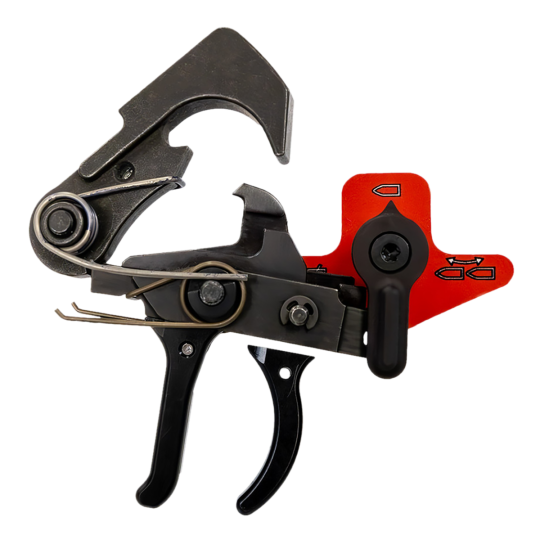
A binary trigger is a specialized trigger system that fires one round when the trigger is pulled and a second round when the trigger is released. Unlike traditional AR15 triggers, which fire only on the pull, a binary trigger allows two distinct firing actions within one full trigger cycle.
Importantly, a binary trigger does not convert an AR15 into a fully automatic firearm. Each shot still requires a separate mechanical action by the shooter, which is why binary triggers are often classified as semi-automatic components under U.S. federal law.
Benefits of a Binary Trigger for AR-15
A binary trigger for an AR-15 is a popular firearm upgrade that offers enhanced shooting performance, faster follow-up shots, and improved trigger control. Unlike standard triggers that fire only on the pull, a binary trigger fires one round on the pull and one on the release, providing a unique and controlled shooting experience.
Below are the top 10 benefits of a binary trigger for AR-15 rifles, explained in detail for enthusiasts, sport shooters, and responsible firearm owners. Binary Trigger For AR15
1. Increased Rate of Fire Without Automatic Classification
One of the biggest benefits of a binary trigger is its ability to increase the effective rate of fire while remaining mechanically semi-automatic.
-
Fires once on trigger pull
-
Fires once on trigger release
-
Does not continuously fire like a fully automatic firearm
This allows shooters to achieve faster shot sequences without converting the firearm into a machine gun, making it appealing for range use and competition shooting.
2. Improved Trigger Reset Control
Binary triggers enhance a shooter’s awareness of trigger reset timing, which is critical for accuracy and consistency.
-
Encourages disciplined trigger finger movement
-
Builds muscle memory
-
Improves shooting rhythm
This benefit makes binary triggers particularly valuable for shooters looking to refine trigger mechanics and improve overall firearm handling skills.
3. Enhanced Shooting Experience and Enjoyment
Many AR-15 owners choose a binary trigger simply because it makes shooting more engaging.
-
Creates a smoother firing cadence
-
Adds variety compared to standard triggers
-
Popular for recreational and range shooting
For enthusiasts, this enhanced experience adds enjoyment without sacrificing control or safety when used responsibly.
4. Faster Follow-Up Shots
Binary triggers allow shooters to fire a second shot immediately upon releasing the trigger, reducing split times between rounds.
This is especially beneficial for:
-
Competition shooting
-
Target transitions
-
Drills requiring speed and precision
The faster follow-up shots can lead to better performance while maintaining deliberate control.
5. Maintains Semi-Automatic Functionality
A key advantage of a binary trigger is that it preserves semi-automatic operation.
-
One shot per trigger action
-
No continuous fire
-
Shooter remains in full control
This distinction is important from both a mechanical and regulatory standpoint, making binary triggers different from fully automatic systems.
6. Training Value for Advanced Shooters
Binary triggers can be a valuable training tool for experienced shooters.
They help improve:
-
Trigger discipline
-
Finger control under speed
-
Shot timing awareness
When used properly, they encourage shooters to focus on precision at higher firing tempos, which can translate into better overall shooting proficiency.
7. Drop-In Compatibility with AR-15 Platforms
Most binary triggers are designed as drop-in units, making them compatible with a wide range of AR-15 rifles.
Benefits include:
-
No permanent firearm modification
-
Retains factory components
-
Easy reversibility
This flexibility appeals to AR-15 owners who want upgrades without altering the rifle’s core design.
8. Customizable Shooting Modes
Binary triggers typically offer multiple selector modes, such as:
-
Safe
-
Semi-automatic
-
Binary mode
This allows shooters to choose how the firearm operates, adapting it for different environments, training needs, or personal preferences.
9. Competitive Edge in Certain Shooting Sports
In sports or events where rapid fire and control are allowed, a binary trigger can provide a competitive advantage.
-
Faster stage completion
-
Smoother shot transitions
-
Enhanced timing control
This makes binary triggers appealing to competitors seeking performance upgrades while staying within applicable rules.
10. Legal Awareness and Responsible Ownership
A major benefit of binary triggers is that they allow increased performance while remaining legal in many jurisdictions when used appropriately.
Responsible ownership includes:
-
Understanding local and state regulations
-
Using binary triggers only where permitted
-
Practicing safe firearm handling at all times
This balance between performance and compliance is essential for long-term ownership and peace of mind.
Is a Binary Trigger for AR-15 Legal?
The legality of a binary trigger for an AR-15 is one of the most frequently searched questions among firearm owners. Because firearm laws vary by jurisdiction and change over time, understanding how binary triggers are classified under federal and state law is essential before purchasing or using one.
This guide explains the issue clearly, accurately, and responsibly.
1. What Is a Binary Trigger Under the Law?
A binary trigger is a firearm trigger system that fires:
-
One round when the trigger is pulled
-
One round when the trigger is released
Legally, binary triggers are not fully automatic, because:
-
They do not fire continuously
-
Each shot requires a separate trigger action
-
The shooter maintains mechanical control over each discharge
This distinction is central to how binary triggers are evaluated under firearm regulations.
2. Federal Law: Are Binary Triggers Legal in the United States?
Under U.S. federal law, binary triggers are generally not classified as machine guns because they do not meet the legal definition of automatic fire.
Key federal considerations:
-
Federal law defines a machine gun as firing more than one round per single trigger function
-
A binary trigger fires once per trigger movement (pull and release)
-
As a result, binary triggers are not inherently illegal at the federal level
However, federal agencies may issue interpretations, and enforcement priorities can change. Firearm owners should always stay informed about current federal guidance.
Important: Federal legality does not override state or local laws.
3. State Laws: Where Binary Triggers May Be Restricted or Banned
Even if a binary trigger is federally legal, state law ultimately determines legality for possession and use.
Some states:
-
Explicitly prohibit binary triggers
-
Classify them under enhanced trigger restrictions
-
Ban devices that increase rate of fire regardless of mechanism
Other states:
-
Allow binary triggers without restriction
-
Regulate them only in certain firearm configurations
-
Permit ownership but restrict use
Because state firearm laws vary widely, checking your specific state statutes and attorney general guidance is critical before purchasing or installing a binary trigger.
4. Local Regulations and Use Restrictions
Beyond state law, local jurisdictions and shooting ranges may impose additional rules.
Examples include:
-
Local ordinances restricting certain trigger systems
-
Range bans on binary firing modes
-
Event or competition rules prohibiting binary triggers
Even in areas where binary triggers are legal to own, their use may still be restricted depending on location, environment, or event policies.
Responsible ownership means complying with all applicable rules, not just state statutes.
5. How to Stay Compliant as a Responsible AR-15 Owner
The most important aspect of binary trigger legality is ongoing legal awareness.
Best practices include:
-
Reviewing state and local firearm laws regularly
-
Consulting official government sources
-
Seeking legal counsel if unsure
-
Avoiding assumptions based on other states’ laws
Firearm laws evolve, and compliance today does not guarantee compliance tomorrow. Responsible owners stay informed and prioritize safety and legality above convenience.
Who Should Consider a Binary Trigger for AR-15?
A binary trigger for an AR-15 is a specialized trigger system designed to fire one round on the trigger pull and one round on the trigger release. While not suitable for every shooter, binary triggers can offer meaningful benefits for specific types of firearm owners.
This guide explains who should consider a binary trigger, based on experience level, shooting goals, and responsible ownership considerations.
1. Experienced AR-15 Owners Seeking Enhanced Performance
Binary triggers are best suited for experienced AR-15 owners who already understand safe firearm handling and trigger control.
Why they may benefit:
-
Familiarity with standard trigger mechanics
-
Ability to manage faster firing sequences
-
Appreciation for performance-oriented upgrades
Binary triggers are not typically recommended for beginners due to their unique firing behavior.
2. Recreational Shooters Looking for a Unique Shooting Experience
Many recreational shooters consider a binary trigger to enhance enjoyment at the range.
Benefits for recreational use:
-
More engaging firing rhythm
-
Greater interaction with trigger control
-
Adds variety compared to standard semi-automatic triggers
For those who already enjoy range time, a binary trigger can offer a different and memorable shooting experience.
3. Competition Shooters in Allowed Disciplines
In certain shooting sports where binary triggers are permitted, competitors may consider them for speed and timing advantages.
Potential advantages include:
-
Faster split times
-
Improved cadence during target transitions
-
Greater control over rapid follow-up shots
It is essential to confirm competition and range rules, as binary triggers are not allowed in all events.
4. Firearm Enthusiasts Interested in AR-15 Customization
Binary triggers appeal strongly to AR-15 enthusiasts who enjoy customizing and optimizing their rifles.
Why enthusiasts consider them:
-
Drop-in compatibility with many AR-15 platforms
-
Non-permanent modification
-
Adds functional diversity to the firearm
For collectors and hobbyists, binary triggers represent an innovative addition to an AR-15 build.
5. Shooters Focused on Trigger Discipline and Control
A binary trigger requires deliberate trigger management, making it appealing to shooters who want to improve trigger discipline.
Training-related benefits:
-
Increased awareness of trigger reset
-
Encourages controlled finger movement
-
Reinforces timing and consistency
When used responsibly, this can translate into better overall shooting mechanics.
6. Owners Who Value Mechanical Control Over Speed
Binary triggers do not fire automatically; each round still requires a distinct trigger action.
This appeals to shooters who want:
-
Faster shooting capability
-
Full mechanical control over each shot
-
A system that remains semi-automatic in operation
For those who prioritize control alongside performance, binary triggers can be a balanced option.
7. AR-15 Owners in Jurisdictions Where Binary Triggers Are Legal
Legal eligibility is a critical factor in deciding who should consider a binary trigger.
Binary triggers may be suitable for:
-
Owners who have verified state and local legality
-
Shooters who stay informed on firearm regulations
-
Individuals committed to compliance and responsible ownership
Legal awareness should always precede any purchase decision.
8. Shooters Seeking an Alternative to Traditional Trigger Upgrades
Binary triggers offer a different value proposition compared to lighter or match-grade triggers.
They may appeal to shooters who:
-
Already own upgraded single-stage or two-stage triggers
-
Want a functional change rather than just lighter pull weight
-
Are exploring advanced trigger systems
This makes binary triggers a niche but attractive alternative.
9. Hobbyists Interested in Firearm Technology and Innovation
Binary triggers represent a modern approach to firearm trigger design.
They attract individuals who:
-
Follow advancements in firearm technology
-
Enjoy understanding mechanical innovations
-
Appreciate unique engineering solutions
For these users, the appeal is as much technical as it is functional.
10. Responsible Owners Who Prioritize Safety and Compliance
Above all, binary triggers are best suited for responsible firearm owners.
Ideal candidates:
-
Practice safe firearm handling consistently
-
Use triggers only in appropriate environments
-
Understand both the capabilities and limitations of the system
Responsible ownership ensures that the benefits of a binary trigger are realized without compromising safety or legality.
What to Look for When Buying a Binary Trigger
Buying a binary trigger is a significant decision for any firearm owner. Unlike standard triggers, binary triggers introduce a unique firing mechanism that can affect performance, legality, compatibility, and overall shooting experience. Choosing the right one requires more than just comparing prices. Binary Trigger For AR15
This guide explains what to look for when buying a binary trigger, helping you make an informed, responsible, and legally compliant decision.
1. Legal Compatibility in Your State and Local Jurisdiction
The first and most important factor when buying a binary trigger is legality.
Key considerations:
-
Binary triggers may be legal federally but restricted by state law
-
Some states prohibit triggers that increase rate of fire
-
Local ordinances or range rules may also apply
Before purchasing, verify:
-
State statutes
-
Attorney General opinions
-
Local regulations and range policies
Legal compliance should always come before performance or price.
2. Firearm Compatibility and Platform Support
Not all binary triggers are compatible with every firearm or AR-style platform.
When evaluating compatibility, look for:
-
Supported firearm models (AR-15, AR-10, etc.)
-
Compatibility with mil-spec lower receivers
-
Caliber or configuration limitations
Choosing a trigger specifically designed for your platform helps ensure reliability and proper function.
3. Build Quality and Materials
A high-quality binary trigger should be built from durable, precision-machined materials.
Important indicators of quality:
-
Hardened steel components
-
Precision tolerances
-
Corrosion-resistant finishes
Triggers experience repeated mechanical stress, so durability directly impacts safety, longevity, and consistency.
4. Trigger Modes and Selector Options
Most binary triggers offer multiple firing modes, typically including:
-
Safe
-
Semi-automatic
-
Binary mode
When comparing options, consider:
-
Ease of switching between modes
-
Clear tactile and audible feedback
-
Ability to safely disengage binary mode
Flexible selector options allow the shooter to adapt the firearm to different environments and use cases.
5. Trigger Feel, Reset, and Consistency
Trigger feel plays a major role in user satisfaction and control.
Key aspects to evaluate:
-
Smoothness of trigger pull
-
Consistency between pull and release
-
Predictable reset timing
A well-designed binary trigger should feel controlled and repeatable, not abrupt or inconsistent.
6. Safety Features and Design Considerations
Safety-focused design is essential when evaluating a binary trigger.
Look for features such as:
-
Safe cancellation of the release shot when switching modes
-
Robust internal safeties
-
Clear mechanical behavior that supports responsible handling
A quality binary trigger should prioritize user control and safety awareness at all times.
7. Manufacturer Reputation and Product Support
The reputation of the manufacturer matters significantly.
Before buying, research:
-
Brand history and specialization
-
Customer reviews and feedback
-
Warranty coverage
-
Availability of customer support
Established manufacturers are more likely to provide reliable products, documentation, and long-term support.
8. Intended Use: Range, Competition, or Recreation
Not every binary trigger is ideal for every use case.
Ask yourself:
-
Will this be used primarily for recreational shooting?
-
Is it intended for competition (where allowed)?
-
Will it be used occasionally or frequently?
Matching the trigger’s design and features to your intended use ensures better satisfaction and responsible application.
9. Price vs. Value Considerations
Binary triggers vary widely in price, but cost alone should not drive your decision.
Instead, evaluate:
-
Overall build quality
-
Safety features
-
Manufacturer support
-
Long-term durability
A higher upfront cost may offer better value over time if it delivers reliability, safety, and compliance.
10. Responsible Ownership and Ongoing Legal Awareness
Buying a binary trigger is not a one-time decision—it comes with ongoing responsibility.
Responsible buyers:
-
Stay informed about changing laws
-
Use the trigger only where permitted
-
Practice safe firearm handling at all times
Understanding the responsibilities that come with ownership is just as important as understanding the product itself.
Binary Trigger for AR-15: Frequently Asked Questions (FAQ)
Binary triggers are among the most searched AR-15 upgrades, but they also raise many questions related to legality, safety, function, and suitability. This FAQ answers the most common and important questions to help firearm owners make informed and responsible decisions.
1. What Is a Binary Trigger for an AR-15?
A binary trigger is a firearm trigger system that fires:
-
One round when the trigger is pulled
-
One round when the trigger is released
This differs from a standard semi-automatic trigger, which fires only on the pull. Each shot still requires a deliberate trigger action, keeping the firearm mechanically semi-automatic.
2. Is a Binary Trigger the Same as a Fully Automatic Trigger?
No. A binary trigger is not fully automatic.
Key differences:
-
Fully automatic firearms fire continuously while the trigger is held
-
Binary triggers fire only once per trigger movement
-
The shooter maintains control over each discharge
This mechanical distinction is central to how binary triggers are classified under firearm laws.
3. Are Binary Triggers Legal for AR-15 Rifles?
Binary trigger legality depends on federal, state, and local laws.
General overview:
-
Federally, binary triggers are not automatically classified as machine guns
-
Some states explicitly ban or restrict binary triggers
-
Local ordinances and range rules may also apply
Always verify current laws in your specific jurisdiction before purchasing or using a binary trigger.
4. In Which States Are Binary Triggers Restricted or Banned?
Certain states have enacted laws that restrict:
-
Binary triggers
-
Rate-increasing trigger devices
-
Specific firearm components regardless of function
Because firearm laws change, it’s important to consult:
-
State statutes
-
Attorney General guidance
-
Official government sources
Never rely solely on online summaries without verification. Binary Trigger For AR15
5. Are Binary Triggers Safe to Use?
When used responsibly and legally, binary triggers are designed to operate safely.
Safety considerations include:
-
Understanding the pull-and-release firing cycle
-
Maintaining proper trigger discipline
-
Using the trigger only in appropriate environments
Binary triggers require greater awareness than standard triggers and are generally recommended for experienced shooters.
6. Are Binary Triggers Suitable for Beginners?
Binary triggers are not typically recommended for beginners.
Reasons include:
-
Increased firing cadence
-
Unique trigger behavior
-
Greater responsibility for trigger control
New shooters are usually better served by mastering standard semi-automatic triggers before considering advanced systems. Binary Trigger For AR15
7. Can a Binary Trigger Be Switched Back to Semi-Automatic Mode?
Most binary triggers include multiple selector modes, commonly:
-
Safe
-
Semi-automatic
-
Binary mode
This allows the shooter to operate the firearm like a traditional AR-15 when desired. Mode selection should always be done safely and in accordance with manufacturer guidelines.
8. Do All Shooting Ranges Allow Binary Triggers?
No. Many shooting ranges restrict or prohibit:
-
Binary triggers
-
Rapid-fire devices
-
Certain firing modes regardless of legality
Even if a binary trigger is legal to own, its use may still be restricted at specific ranges or events. Always check range policies before use. Binary Trigger For AR15
9. Are Binary Triggers Used in Competitions?
Binary triggers may be allowed in some shooting competitions, but they are often restricted or prohibited depending on the discipline.
Competitors should:
-
Review competition rulebooks
-
Confirm equipment eligibility
-
Understand penalties for non-compliance
Never assume a binary trigger is competition-legal without confirmation.
10. Do Binary Triggers Increase Accuracy?
Binary triggers do not inherently increase accuracy.
However, they may:
-
Improve trigger control awareness
-
Encourage better reset timing
-
Help experienced shooters manage cadence
Accuracy ultimately depends on training, firearm setup, and shooter skill.
11. Are Binary Triggers Permanent Modifications?
Most binary triggers are designed as drop-in components.
Benefits include:
-
No permanent changes to the firearm
-
Ability to revert to the original trigger
-
Compatibility with many AR-15 lower receivers
This makes them appealing to owners who want reversible upgrades. Binary Trigger For AR15
12. Do Binary Triggers Require Special Maintenance?
Binary triggers generally require:
-
Regular inspection
-
Proper cleaning
-
Attention to wear over time
Following manufacturer maintenance recommendations helps ensure long-term reliability and safe operation.
13. Are Binary Triggers Worth Buying?
Whether a binary trigger is worth buying depends on:
-
Experience level
-
Intended use (recreational, competition, training)
-
Legal eligibility
-
Personal preference
They are best suited for experienced, informed, and responsible firearm owners.
14. What Should I Check Before Buying a Binary Trigger?
Before purchasing, always verify:
-
Legal status in your state and locality
-
Compatibility with your AR-15
-
Manufacturer reputation and support
-
Range and competition restrictions
Informed decision-making is essential for responsible ownership.
Binary Trigger for AR-15 Specifications (Complete Technical Overview)
Understanding the specifications of a binary trigger for an AR-15 is essential for firearm owners who want to evaluate compatibility, performance characteristics, and overall suitability. Unlike marketing descriptions, technical specifications explain how a binary trigger is designed to function, what platforms it supports, and what features differentiate it from standard triggers.
This guide provides a clear, SEO-optimized breakdown of binary trigger specifications, written for informational and educational purposes.
1. Trigger Function Type
A binary trigger operates using a two-stage firing cycle:
-
One round is fired on the trigger pull
-
One round is fired on the trigger release
Each shot still requires a distinct trigger action, which keeps the firearm mechanically semi-automatic in operation. This functional specification is central to how binary triggers are categorized and regulated. Binary Trigger For AR15
2. Supported Firearm Platform
Most binary triggers are designed specifically for the AR-15 platform and compatible lower receivers.
Typical platform specifications include:
-
AR-15 pattern rifles
-
Mil-spec lower receivers
-
Standard AR fire control group dimensions
Some models may also support other AR-style platforms, but compatibility should always be verified by the manufacturer. Binary Trigger For AR15
3. Selector Modes and Control Options
Binary triggers typically include multiple selector positions to give the shooter operational flexibility.
Common selector modes:
-
Safe
-
Semi-automatic
-
Binary mode
These selector options allow the firearm to function like a traditional AR-15 when binary mode is not desired, which is an important usability and compliance feature.
4. Trigger Pull and Release Characteristics
Binary trigger specifications often describe pull and release behavior rather than just pull weight.
Key characteristics include:
-
Smooth trigger pull
-
Defined break point
-
Predictable trigger release firing point
-
Consistent reset timing
The focus is on control and consistency, not just speed, which is why experienced shooters tend to value these specifications.
5. Materials and Construction
High-quality binary triggers are manufactured using durable, precision-machined materials.
Typical construction specifications:
-
Hardened steel internal components
-
Precision-cut sears and disconnectors
-
Protective finishes to resist wear and corrosion
Material quality directly affects reliability, longevity, and consistent trigger performance over time.
6. Installation Classification (Drop-In Design)
Most binary triggers are categorized as drop-in trigger systems.
This specification generally means:
-
No permanent modification to the firearm
-
Uses standard AR-15 pin locations
-
Can be removed and replaced with a standard trigger
Drop-in design is a major consideration for owners who value reversibility and platform integrity.
7. Safety Design Specifications
Binary triggers include specific design elements intended to support safe operation.
Common safety-related specifications include:
-
Controlled firing on both pull and release
-
Selector-based mode control
-
Internal geometry designed for predictable engagement
These design considerations emphasize user awareness and deliberate trigger control.
8. Compatibility with Standard AR-15 Components
Binary triggers are generally engineered to work with standard AR-15 components, including:
-
Mil-spec bolt carrier groups
-
Standard hammer and trigger pin sizes
-
Common AR-15 selector configurations
However, compatibility with aftermarket parts may vary, making it important to review manufacturer specifications carefully.
9. Intended Use Classification
Binary trigger specifications often define intended or recommended use cases, such as:
-
Recreational shooting
-
Range use (where permitted)
-
Certain competitive environments (subject to rules)
They are not typically marketed as duty or defensive components, and specifications usually reflect that focus on controlled, lawful use.
10. Regulatory and Compliance Considerations
While not a mechanical specification, many manufacturers include regulatory notes as part of the product’s technical overview.
These often state:
-
Federal classification information
-
State law variability
-
User responsibility for legal compliance
Including compliance considerations is an important part of responsible product specification.
39 reviews for Franklin BFSIII AR-Elite Binary Trigger for AR-15 Fast Reliable Performance
Add a review
Related products
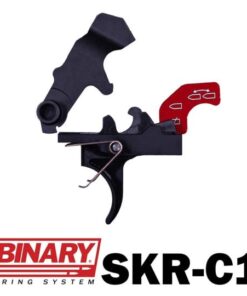
Franklin Armory Binary Trigger
Franklin Armory BFSIII SKR C1 Binary Trigger for SCAR Rifles
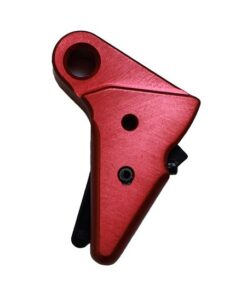
Franklin Armory Binary Trigger
Franklin Armory GS173 Glock 17 Binary Trigger Kit – Red Trigger Shoe

Franklin Armory Binary Trigger
Franklin Armory BFSIII AR-S1 Gen3 Straight Trigger Binary Firing System Black Metal
Fire Arms Triggers
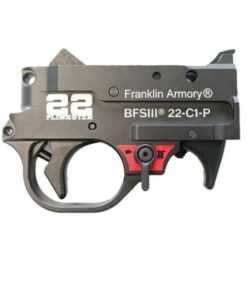
Franklin Armory Binary Trigger
Franklin Armory Binary Trigger
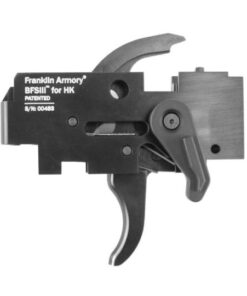
Franklin Armory BFSIIIi Hk-C1 Binary Firing System For HK 91/93/94 Platforms Curved Trigger MP5

Franklin Armory Binary Trigger
FRNKLN BFSIII 22-EZ Rug 1022 Binary Trigger: Enhanced Performance
Franklin Armory Binary Trigger
Larry Torres –
The delivery process was smooth and easy to follow from checkout to arrival. The package arrived in good shape and looked carefully packed. I checked everything after opening it and appreciated that the order matched the information provided during purchase.
Justin Nguyen –
My shipment arrived within the expected time frame and the packaging looked neat and secure. I spent some time reviewing the contents and making sure everything appeared complete. The process overall felt simple and organized, and I appreciated receiving the order without complications.
Brandon Hill –
I had a smooth experience with delivery and appreciated getting updates while waiting for the package. The box arrived safely and looked properly sealed. After opening it, I checked everything carefully and found the order consistent with the information shown during purchase.
Jacob Walker –
The shipping process for this order went smoothly and the package arrived without visible problems. The box looked properly sealed and everything inside appeared to be packed with care. I appreciated that the item matched the information shown online and arrived in expected condition.
Ryan Robinson –
I received this order in good condition and the packaging appeared to protect the contents during shipping. Everything looked clean and organized after opening the box. I spent time reviewing the included details and comparing the order to the product listing to make sure everything matched expectations.
Nicholas Allen –
I appreciated that my package arrived safely and looked secure during delivery. The item appeared complete when opened, and I took some time to inspect everything carefully before getting more familiar with it. Shipping updates were helpful, and the ordering experience felt straightforward.
Eric King –
The package arrived in expected condition and the delivery timeline matched the information I received after placing the order. The packaging looked neat and helped keep everything protected. I spent time reviewing the contents and checking details to make sure everything matched the product description.
Gary Young –
My experience with delivery was simple and easy from start to finish. The package arrived on time and looked carefully prepared for shipping. After opening everything, I checked the contents and found the order to be consistent with the listing. The process overall felt professional and organized.
Jonathan Wright –
I received my shipment without any problems and the package looked properly sealed when delivered. Everything inside appeared organized and matched what I expected from the listing. I appreciated having a simple purchase process and clear communication regarding shipping updates.
Stephen Scott –
This order arrived safely and the package looked secure enough to protect the contents during shipping. After opening the box, I carefully reviewed what was included and compared it with the product information online. Everything appeared complete and in expected condition.
George White –
The item arrived in good shape and the delivery process was easy to follow. The packaging helped keep everything protected, and I did not notice any missing parts when reviewing the contents. I appreciate receiving exactly what was ordered, and the process from purchase to delivery was clear and smooth.
Jeffrey Lewis –
My package arrived within the estimated delivery period and the box looked secure when it was delivered. I checked everything carefully after opening it and the contents appeared complete and well packed. The ordering process was easy to follow, and I appreciated receiving clear updates during shipment.
Ronald Sanchez –
This order arrived in secure packaging and looked organized when I opened it. I appreciated that the delivery updates were helpful during shipping. Everything matched the listing description and appeared complete upon arrival. The purchase process felt straightforward, and I had no issues receiving the package.
Edward Harris –
I received my package in expected condition and the shipping timeline matched what I was told during checkout. The box was packed securely, and the item looked properly protected during delivery. I spent time reviewing the included information and checking the product details before continuing with setup and use.
Jason Ramirez –
I had a positive delivery experience with this order because the package arrived safely and looked well prepared for shipping. After opening it, I spent some time reviewing what was included and comparing it to the listing information. Everything appeared organized and complete, and the overall process went well.
Timothy Clark –
The product arrived on time and the packaging appeared strong enough to keep everything protected during shipping. I checked the order carefully after opening it and everything looked consistent with the product information online. The process felt smooth overall, and I appreciated receiving the order in good condition.
Matthew Gonzalez –
Customer support responded within a reasonable time, and the interaction was clear and professional
Anthony Wilson –
The package arrived securely packed, and my first impression of the ordering experience was positive.
Andrew Jackson –
My order arrived within the expected delivery time and the packaging looked secure when it got to me. Everything inside appeared complete and matched what was shown in the product description. I spent some time checking the item and reading through the information included before getting familiar with how it works. The overall buying and delivery process was smooth.
Paul Moore –
Based on my experience, the shipping and communication process met expectations.
Steven Taylor –
The product arrived with packaging that appeared secure, and the process overall was easy to follow.
Donald Thomas –
The ordering process was simple, and the package arrived in acceptable condition.
Kenneth Lee –
The delivery experience for this order was simple and straightforward. My package arrived safely and was packed in a way that helped protect the contents during shipping. Everything seemed to match the listing details, and I had no problems checking the order after arrival. So far, I am satisfied with how the process went.
Kevin Perez –
I was happy that my package arrived without delays and everything looked carefully packed. After opening the box, I checked the contents and compared them to the product description online. The item looked properly prepared and in good condition. I appreciated the smooth ordering and delivery experience from beginning to end.
Brian Thompson –
My shipment arrived safely and the package looked neat and secure when delivered. I spent time checking the product and making sure everything matched what I expected based on the listing. The instructions and included materials helped me better understand what was provided, and the overall experience felt organized and professional.
Mark Anderson –
Shipping information was easy to follow, and delivery matched the estimated timeframe.
Joshua Martin –
I received this item in good condition and the shipping process went as expected. The package was properly sealed and nothing appeared damaged when opened. The product looked clean and organized inside the box. I appreciated that everything arrived as described, and I am taking time to learn more about using it correctly.
Joseph Davis –
Shipping took about the expected amount of time, and the order arrived in acceptable condition.
Thomas Rodriguez –
The package arrived without issues, and tracking information helped keep me updated during delivery.
Charles Martinez –
The overall order experience was straightforward, and communication throughout the process was helpful
Christopher Hernandez –
Delivery happened within the expected timeline, and the packaging kept everything protected.
Daniel Lopez –
The product arrived as expected, and the overall purchase experience felt smooth.
David Jones –
The ordering and shipping process was easy to follow, and everything arrived as described
Richard Miller –
My experience with customer communication was satisfactory, and the order process felt organized.
William Garcia –
I received the order within the expected delivery period, and the packaging appeared secure.
Robert Brown –
The package arrived in good condition, and setup or first use was straightforward based on my experience.
Michael Williams –
Customer communication during the order process was clear, and delivery arrived within the estimated timeframe.
John Johnson –
Shipping updates were clear, and the package arrived as expected. Everything looked organized when opened.
James Smith –
The order arrived within the expected time, and the packaging was in good condition. My overall experience with the process was smooth.