Buy Binary Trigger
So You Want to Buy a Binary Trigger
Buy Binary Trigger . You’ve heard about binary triggers. Maybe a buddy showed you one at the range and you couldn’t believe how fast it fired. Maybe you’re a competitive shooter looking for an edge in a 3-Gun match. Or maybe you’re just someone who loves upgrading your firearms and wants to understand what all the buzz is about.
Whatever brought you here, you’re in the right place.
Buying a binary trigger is not complicated — but it does require a little homework. You need to know which trigger fits your firearm, which brand offers the best quality, what the law says in your state, and where to find the best deal. Get these four things right, and you’ll have a trigger that transforms how your rifle shoots.
Get them wrong, and you could end up with a part that doesn’t fit your gun, a warranty claim you can’t make, or — worst case — a legal headache you didn’t see coming.
What Is a Binary Trigger and Why Do People Buy One?
Let’s start at the beginning. A binary trigger is a drop-in (or component) trigger assembly that fires one round on the trigger pull and one round on the trigger release. Standard semi-automatic triggers only fire on the pull. Binary triggers fire on both the pull and the release — giving you two shots per complete trigger cycle.
The word “binary” literally means “two.” Two shots. One pull, one release.
Most binary triggers include a selector switch that lets you switch between standard semi-auto mode and binary mode. This gives you flexibility — you can run it like a normal trigger when you want precision, and switch to binary mode when you want speed.
Why Do Shooters Buy Binary Triggers?
There are several good reasons people choose to buy a binary trigger:
Speed in competitive shooting — In disciplines like 3-Gun, USPSA, or steel challenge, split times matter. A binary trigger lets you put rounds on target faster without spraying and praying. The discipline required to control both the pull and the release actually makes better shooters.
Fun at the range — Let’s be honest: binary triggers are a blast to shoot. The increased rate of fire in a controlled, legal way makes range days more exciting for recreational shooters.
Training tool — Some instructors use binary triggers as a training aid to improve trigger discipline. Managing both the pull and the release forces the shooter to maintain control throughout the entire trigger cycle.
Unique firearm builds — If you enjoy customizing your rifles, a binary trigger is one of the most interesting modifications you can make to an AR-15 or similar platform.
Are Binary Triggers Legal to Buy?
Before you spend a single dollar, you need to understand the legal landscape. This is non-negotiable.
Federal Law
At the federal level, binary triggers are legal to purchase and own. The Bureau of Alcohol, Tobacco, Firearms and Explosives (ATF) has reviewed binary trigger designs and determined that they do not constitute machine guns under the National Firearms Act. A machine gun fires more than one round with a single function of the trigger. A binary trigger requires two separate volitional acts — the pull and the release — making each shot a discrete function.
This means binary triggers are legal under federal law. You do not need a special license, a background check beyond normal firearm purchase rules, or FFL involvement to buy a binary trigger, because it is a firearm part — not a firearm itself.
State Laws
Here is where it gets complicated. Several states have passed laws that restrict or ban binary triggers regardless of what federal law says. State law can be stricter than federal law, and it often is.
States that have restricted or prohibited binary triggers (verify current status before purchasing — laws change):
- California — restricts devices that allow more than one round per trigger pull
- New Jersey — similar restrictions under state assault weapons definitions
- Washington — has targeted certain trigger devices with legislation
- Hawaii — restrictions under state firearms statutes
- Connecticut — review carefully
- Maryland — review carefully
- New York — review carefully
- Iowa — past legislative activity; verify current status
This is not a complete list. Laws change frequently and vary by municipality as well as state. Before you buy a binary trigger, look up your specific state’s laws or consult a firearms attorney in your area. Buying a prohibited item and having it shipped to your door is not a gray area — it is a legal violation.
The Takeaway
If you live in a state where binary triggers are legal, you can buy one online or at a local gun shop, have it shipped to your home (no FFL required), and install it yourself. If you’re unsure, do the research first.
Types of Binary Triggers Available to Buy
Not all binary triggers are the same. They differ by platform compatibility, installation method, pull weight, and build quality. Here’s what you’ll encounter when shopping.
Drop-In Cassette vs. Component Installation
Drop-in cassettes come as a pre-assembled unit. You remove your existing trigger group, drop the cassette in, push the pins through, and you’re done. This is the easiest installation method and is great for shooters who aren’t experienced armorers. Most consumer-grade binary triggers use this design.
Component (individual parts) installation means you install each piece — trigger, hammer, disconnector, springs, and selector — separately. This takes more time and skill, but it can result in a cleaner fit and may offer more tunability. Some high-end triggers use this approach.
For most buyers, a drop-in cassette is the better choice. It’s faster, harder to get wrong, and the build quality of modern cassettes is excellent.
Platform Compatibility
Binary triggers are made for specific firearm platforms. The most common are:
- AR-15 / MSR (Modern Sporting Rifle) — the most popular binary trigger platform; widest selection of brands and models
- AR-10 / .308 / LR-308 — larger receiver requires a different trigger; fewer options but they exist
- AK-pattern rifles — some manufacturers make AK binary triggers; less common but available
- Ruger 10/22 — binary triggers exist for this popular rimfire rifle
- Pistol Caliber Carbines (PCC) — some binary triggers are specifically tuned for PCC platforms like the CMMG or KUSA
When you go to buy a binary trigger, always confirm the platform and caliber compatibility on the product listing before adding to your cart.
Trigger Pull Weight
Binary triggers vary in pull weight, typically ranging from about 2.5 lbs to 4.5 lbs. Lighter pulls are preferred by competition shooters for speed; heavier pulls offer more safety margin for newer shooters or home defense scenarios. Most binary triggers list the pull weight in the product specifications.
Single-Stage vs. Two-Stage
Most binary triggers are single-stage — one continuous pull stroke that breaks at the set weight. Some advanced designs incorporate a two-stage pull, giving you a short take-up before the break. For binary triggers, single-stage is the dominant design.
Top Binary Trigger Brands to Buy
The binary trigger market has a handful of dominant players. Here’s what you need to know about each.
Dynamic Trigger
Franklin Armory is arguably the most recognized name in binary triggers. The BFSIII is their flagship product and is available in a wide range of platform-specific versions including:
- BFSIII AR-C1 (AR-15)
- BFSIII AR-S1 (AR-15 with selector lever on right side)
- BFSIII AK-C1 (AK-pattern)
- BFSIII 22-C1 (Ruger 10/22)
- BFSIII HK-C1 (HK93/33 pattern)
What makes the BFSIII stand out is its reliability and the quality of its components. Franklin Armory has put years of development into reducing trigger reset issues that plagued earlier binary designs. The BFSIII also has a safety feature that allows you to cancel the second (release) shot by engaging the safety before releasing the trigger — a useful feature for maintaining muzzle discipline.
Franklin Armory sells direct from their website and through authorized dealers nationwide.
Best for: Shooters who want a proven, reliable binary trigger from a dedicated manufacturer with good customer support.
Average price: $320–$430
Fostech Echo AR-II and Echo Sport
Fostech is Franklin Armory’s most direct competitor in the binary trigger space. Their Echo AR-II is a well-regarded AR-15 binary trigger with a clean break and fast reset. The Echo Sport is a more budget-conscious option that doesn’t sacrifice too much in terms of quality.
Fostech triggers are known for:
- A crisp, predictable break
- Fast reset between shots
- Solid build quality at a competitive price point
Fostech also makes a version for the Ruger 10/22 and other platforms.
Best for: Shooters who want a quality binary trigger at a slightly lower price point, or those who want a reliable backup to a Franklin Armory.
Average price: Echo Sport: $280–$320 | Echo AR-II: $340–$390
Triggertech Binary Trigger
Triggertech built their reputation on precision single-stage and two-stage triggers before entering the binary market. Their binary offering brings the same attention to tolerances and materials that made their other triggers popular.
Triggertech’s binary trigger features:
- Frictionless release technology (a Triggertech signature element)
- Adjustable pull weight
- Lifetime warranty
Best for: Shooters who already trust the Triggertech brand and want that same quality in a binary design.
Average price: $390–$450
Elftmann Tactical Binary Trigger
Elftmann Tactical is known for high-precision AR-15 triggers, and their binary offering continues that tradition. Machined from quality materials, Elftmann binary triggers are aimed at the serious shooter who wants the best possible components.
Best for: High-end builds where every component is premium.
Average price: $350–$420
American Binary Triggers (ABT)
Newer to the market, American Binary Triggers offers a competitive option with a focus on domestic manufacturing and value pricing. Their product has received positive reviews from testers who appreciate the clean break and reliable binary function.
Best for: Budget-conscious buyers who want a domestic option without going to the very bottom of the price range.
Average price: $220–$270
Where to Buy a Binary Trigger
You have several options when it comes to where to make your purchase. Each has its advantages.
Buy Online from Retailer Websites
Online purchase is the most popular way to buy binary triggers. The advantages are clear: wider selection, price comparison, detailed product descriptions, and customer reviews. You can have the trigger shipped directly to your home since it’s a firearm part, not a firearm.
When shopping online, look for:
- Authorized dealers — buying from an authorized dealer protects your warranty
- In-stock status — binary triggers can go out of stock; check before ordering
- Clear return policies — important for any high-cost purchase
- Secure checkout — look for HTTPS and recognizable payment processors
What to search for: Search for the specific brand and model (e.g., “Franklin Armory BFSIII AR-C1”) rather than just “buy binary trigger.” You’ll get more targeted results and can compare prices across multiple retailers.
Buy Direct From the Manufacturer
Companies like Franklin Armory and Fostech sell directly through their own websites. Buying direct has some advantages:
- You’re guaranteed to get the authentic product
- Warranty claims may be easier to process
- Direct customer support from the people who made the trigger
- Occasional direct-only promotions or bundles
The potential downside is that manufacturer websites may have slightly higher prices than competitive retailers, and shipping options may be more limited.
Buy at a Local Gun Shop or Firearms Retailer
Not everyone prefers online shopping, and local gun shops often stock popular binary triggers. The advantages of buying local:
- You can sometimes inspect the product before buying
- Immediate availability — no shipping wait
- Support a local business
- Expert staff who can answer installation questions on the spot
The downsides: smaller selection, potentially higher prices, and stock availability that varies by shop.
Buy at Gun Shows
Gun shows occasionally have vendors selling binary triggers. Prices can vary widely. If you go this route, make sure you’re buying from a reputable vendor and that the product is authentic (not a counterfeit or gray-market import). Always ask for a receipt.
How Much Does a Binary Trigger Cost?
Binary triggers are not cheap — but the range is wide enough to fit most budgets.
Budget Tier: $150–$250
At this price range, you’re looking at lesser-known brands or older designs. Quality control can be inconsistent. If you’re buying in this range, read recent reviews carefully and make sure the product has a usable warranty.
Mid-Range: $250–$350
This is where solid, reliable binary triggers live. The Fostech Echo Sport and American Binary Triggers products fall in this range. You’re getting a trigger that will work reliably and last through many thousands of rounds.
Premium Tier: $350–$450+
Franklin Armory, Triggertech, and Elftmann Tactical live here. These are the triggers competition shooters and serious enthusiasts buy. The quality of materials, tolerances, and customer support is at its best in this range.
What Drives the Price Up?
- Machining precision — tighter tolerances require more expensive manufacturing
- Materials — tool steel vs. cast components; high-quality springs
- Design complexity — more features (adjustable pull, safety cancel) cost more
- Brand reputation and support — warranties, customer service, and replacement parts availability all add to what you’re paying for
- Made in USA — domestic manufacturing typically commands a premium
Is a More Expensive Binary Trigger Always Better?
Not necessarily — but with triggers, you generally get what you pay for. A trigger is one of the most mechanically critical components of your firearm. A binary trigger that fails during a competition or, worse, has an unexpected discharge because of a design flaw, is a much bigger problem than overpaying by $50.
Buy the best you can comfortably afford. If that’s a mid-range option, that’s fine. Just avoid the bottom of the market where quality is genuinely unknown.
What to Check Before You Buy a Binary Trigger
Before you finalize any purchase, run through this checklist.
1. Is It Legal in Your State?
We said it before and we’ll say it again: verify state legality before you buy. This is the most important step.
2. Is It Compatible With Your Firearm?
Confirm:
- Correct platform (AR-15, AK, 10/22, etc.)
- Correct receiver generation (Mil-Spec vs. commercial spec for AR-15s)
- Any specific model exclusions listed by the manufacturer
3. Is It an Authorized Dealer or Genuine Product?
Binary triggers get counterfeited. Buy from authorized dealers listed on the manufacturer’s website. If the price seems too good to be true, investigate before clicking buy.
4. What Is the Warranty?
Top brands offer lifetime warranties or multi-year coverage. Know what’s covered before you buy. A warranty that covers manufacturing defects is standard; a warranty that covers damage from use is better.
5. What Is the Return Policy?
What happens if the trigger doesn’t fit your firearm, or you receive a defective unit? Know the retailer’s return and exchange policy.
6. Are There Recent Reviews?
Binary trigger designs evolve. A trigger that had reliability issues in 2021 may have been revised since. Look for reviews from the last 12–18 months to get an accurate picture of the current product version.
How to Install a Binary Trigger
Once your binary trigger arrives, you’ll need to install it. Here’s a general overview for AR-15 platform installations — always follow the manufacturer’s specific instructions for your exact model.
Tools You’ll Need
- Upper/lower receiver vise block or action block
- Punch set (roll pin punches: 3/32″ and 1/8″)
- Brass or polymer hammer (to avoid marring receiver)
- Needle-nose pliers
- Trigger installation tool (optional but helpful)
- Cleaning supplies and lubricant
Removing Your Existing Trigger Group
- Clear and verify safe. Remove magazine, lock bolt open, visually and physically inspect chamber.
- Separate upper from lower receiver by pushing out the front and rear takedown pins.
- Remove the trigger group from the lower receiver by pushing out the trigger pin and hammer pin using a punch and hammer. Keep track of the springs — they can fly.
- Remove the trigger, hammer, disconnector, and any associated springs.
Installing a Drop-In Binary Trigger Cassette
- With the lower receiver secured in a vise block, lower the cassette into position in the fire control group area.
- Align the trigger pin hole in the cassette with the holes in the lower receiver.
- Push the trigger pin through from the left side of the receiver, through the cassette, and out the right side.
- Repeat for the hammer pin.
- Confirm both pins are fully seated and the cassette sits flush in the receiver.
- Install the pistol grip (if removed) and any other components you set aside.
Installing Binary Trigger Components (Non-Cassette)
This process varies significantly by brand and is beyond the scope of a general overview. Follow the manufacturer’s step-by-step instructions, which are typically included in the box and available on their website as a PDF or video.
Post-Installation Function Check
With the firearm unloaded and pointed in a safe direction:
Safety check:
- Engage the safety. Pull the trigger firmly — it should not fire. Release — it should not fire.
Standard semi-auto mode:
- Disengage safety. Pull trigger — should release hammer (simulated fire). Release trigger — hammer should not drop. Pull again — should release hammer.
Binary mode:
- Disengage safety. Set selector to binary. Pull trigger — hammer should release. Now release trigger — hammer should release again.
If any part of the function check fails, do not load the firearm. Disassemble and check the installation, or contact the manufacturer’s customer support.
How to Use a Binary Trigger Safely
A binary trigger changes how your firearm behaves. Safety practices need to adapt.
Keep Your Finger Off the Trigger Until Ready to Fire Both Shots
In binary mode, releasing the trigger fires a second shot. This means if you pull the trigger and then take your finger off before you’re ready for the second shot, the firearm will fire. Train yourself to be intentional about when you release.
Use the Safety to Cancel the Second Shot
Most quality binary triggers (especially the Franklin Armory BFSIII) allow you to cancel the second (release) shot by engaging the safety before releasing the trigger. This is an important safety feature. Practice the motion of engaging the safety after the first shot in situations where you don’t want the second round to fire.
Never Enter Binary Mode Unless Pointed Downrange
Only engage binary mode when you are on the firing line, pointed at a safe backstop, and ready to fire both shots.
Start Slow
New binary trigger users often fire too fast and struggle to control where the second shot goes. Start by firing slowly and deliberately, focusing on where both rounds hit. Speed comes with practice.
Store Safely
When storing or transporting your firearm with a binary trigger installed, leave it in standard semi-auto mode (or safe) to avoid any unexpected discharges during handling.
Binary Trigger Maintenance
Like any precision mechanical component, a binary trigger needs periodic maintenance to keep functioning correctly.
Cleaning
Clean the trigger group as part of your regular firearm cleaning routine. Use a quality solvent to remove carbon buildup from the trigger faces, hammer, and disconnector. Follow with a light application of firearm-safe lubricant.
Do not over-lubricate. Excess oil in the trigger group attracts carbon and debris, which can cause the trigger to feel sluggish or malfunction over time.
Inspection
Each time you clean your firearm, visually inspect the binary trigger components for:
- Wear on the trigger face and hammer notch
- Bent or fatigued springs
- Burrs or rough spots on moving surfaces
- Proper seating of the pins
If you notice unusual wear, contact the manufacturer before continuing to use the trigger.
How Long Do Binary Triggers Last?
Quality binary triggers are designed for tens of thousands of rounds. The Franklin Armory BFSIII, for example, is designed to withstand heavy use. Springs are usually the first component to show wear and are inexpensive to replace. If you shoot frequently, keep a spare spring set on hand.
Buy Binary Trigger FAQs
Q: Do I need to go through an FFL to buy a binary trigger? A: No. Binary triggers are firearm parts, not firearms. They ship directly to your door with no FFL transfer required.
Q: Can a binary trigger be installed on any AR-15? A: Most binary triggers work with standard Mil-Spec AR-15 lowers. Some older or non-standard receivers may have fitment issues. Always check the manufacturer’s compatibility list before ordering.
Q: Will a binary trigger void my firearm’s warranty? A: Potentially, yes. Modifying a factory firearm with aftermarket parts can affect the manufacturer’s warranty. Check your firearm manufacturer’s warranty terms. This typically only matters for the firearm warranty — the binary trigger itself will have its own separate warranty.
Q: Is a binary trigger the same as a bump stock? A: No. Bump stocks were banned by the ATF in 2019 and are illegal. Binary triggers are a completely different mechanical design and remain legal at the federal level. Do not confuse the two.
Q: Can I put a binary trigger in a pistol? A: Some manufacturers make binary triggers for pistol-caliber carbines. Standard handgun binary triggers are less common and their legality may vary. Check carefully before purchasing.
Q: What happens if I need to engage the safety mid-fire in binary mode? A: On triggers like the Franklin Armory BFSIII, engaging the safety before releasing the trigger cancels the second shot. The trigger will reset normally when the safety is disengaged again. Always verify this function with your specific trigger model.
Q: How do I know if a binary trigger is authentic? A: Buy from authorized dealers listed on the manufacturer’s website. If you receive a trigger and suspect it may be counterfeit, contact the manufacturer with the product details and they can usually verify authenticity.
Q: Can I buy a binary trigger as a gift for someone? A: You can buy a binary trigger as a gift since it’s a firearm part, not a firearm. However, make sure the recipient lives in a state where binary triggers are legal and that their specific firearm is compatible.
Final Thoughts: Ready to Buy a Binary Trigger?
Buying a binary trigger is one of the most impactful modifications you can make to your modern sporting rifle. Done right, it transforms your shooting experience — whether you’re competing, training, or just having a great time at the range.
Here’s the short version of everything we covered:
- Confirm legality in your state before anything else
- Choose the right platform — not all binary triggers fit all firearms
- Pick a reputable brand — Franklin Armory, Fostech, and Triggertech are proven choices
- Buy from an authorized dealer — protects your warranty and ensures authenticity
- Install carefully — follow manufacturer instructions and run a full function check
- Shoot safely — understand how the binary mode changes your firearm’s behavior
Whether you’re shopping for your first binary trigger or upgrading to a better model, take your time, do the research, and buy from a source you trust. The right binary trigger will give you years of reliable service and a genuinely unique shooting experience.
Quick Reference: Binary Trigger Buying Summary
| Factor | What to Look For |
|---|---|
| Legality | Verify state law before purchasing |
| Platform | AR-15, AK, 10/22, AR-10 — confirm compatibility |
| Installation type | Drop-in cassette (easier) vs. components (more precise) |
| Budget | Mid-range $250–$350; Premium $350–$450+ |
| Top brands | Franklin Armory, Fostech, Triggertech, Elftmann |
| Where to buy | Authorized online retailer, manufacturer direct, or local gun shop |
| Shipping | Ships directly to your door — no FFL required |
| Warranty | Look for at least 1-year; best brands offer lifetime coverage |
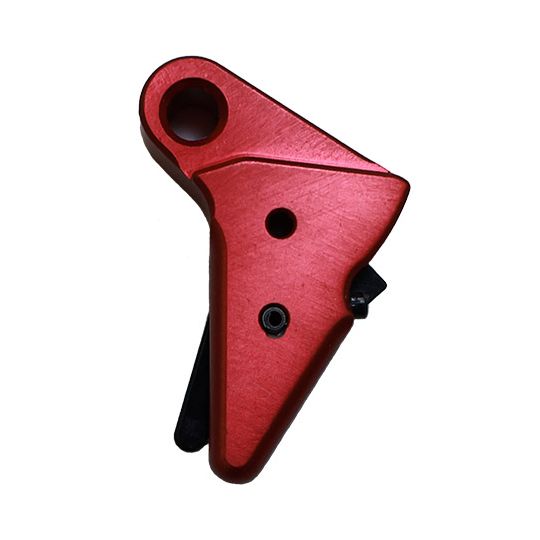
Be the first to review “Franklin Armory GS173 Glock 17 Binary Trigger Kit – Red Trigger Shoe”
Related products

Franklin Armory Binary Trigger
FRNKLN BFSIII 22-EZ Rug 1022 Binary Trigger: Enhanced Performance
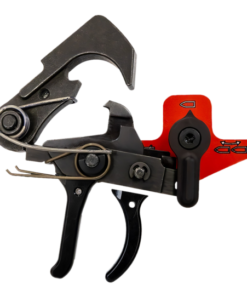
Franklin Armory Binary Trigger
Franklin BFSIII AR-Elite Binary Trigger for AR-15 Fast Reliable Performance

Franklin Armory Binary Trigger
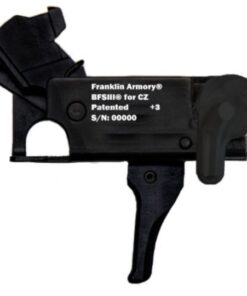
Franklin Armory Binary Trigger

Franklin Armory Binary Trigger
Franklin Armory BFSIII AK-C1 Binary Firing System for most AK platforms – Curved Trigger
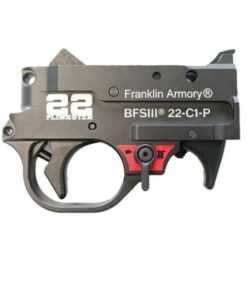
Franklin Armory Binary Trigger
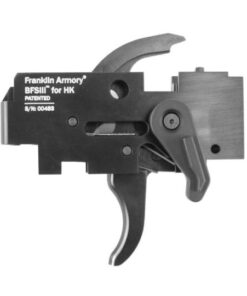
Franklin Armory Binary Trigger
Franklin Armory BFSIIIi Hk-C1 Binary Firing System For HK 91/93/94 Platforms Curved Trigger MP5
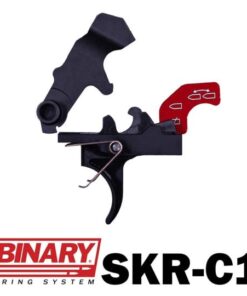
Franklin Armory Binary Trigger
Franklin Armory BFSIII SKR C1 Binary Trigger for SCAR Rifles
Reviews
There are no reviews yet.